Word origins · spelling & sound
Why is the D in Wednesday silent?
Because people used to say it. English spelling froze centuries ago, and the way people spoke kept changing. Most “silent” letters are fossils of sounds that were once spoken. A few were never spoken at all.
Each story says which is which, and how the word sounds in American English today.
40 word stories9 illustrated articles
Read the full stories
Why English spelling doesn't match the sound
Silent letters, odd vowels, colonel said "kernel": the three reasons English spelling stopped matching speech, with a story for each word.
Wednesday · knight · night · Friday · debt · island …
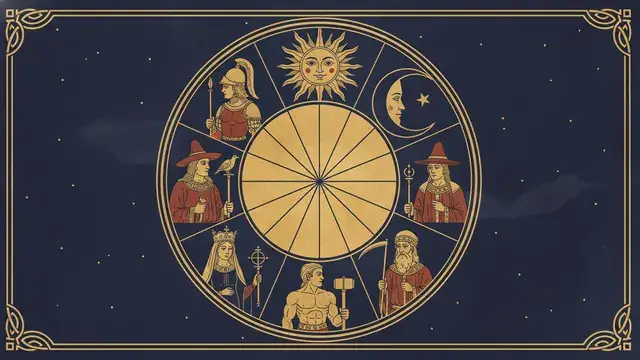
The days of the week: gods, planets and lost sounds
Why the English days of the week are named after Woden, Thor, Frigg and Saturn, and how each name is pronounced in American English today.
Monday · Tuesday · Wednesday · Thursday · Friday · Saturday …
The silent K: knight, knee, know and knife
Why English writes a K in knight, knee, know and knife but doesn't say it — the kn- sound was pronounced until the 1600s.
knight · knee · know · knife
The silent W: write, wrong, two, sword, answer
Why English spells a W in write, wrong, two, sword and answer but doesn't say it. Every one of those Ws was once a real sound.
write · wrong · two · sword · answer
The silent B: lamb, comb, thumb, debt, doubt
Some silent Bs were once pronounced (lamb, comb); others never were (thumb, debt, doubt). How to tell a lost sound from a letter that was added.
lamb · comb · thumb · debt · doubt
The lost GH sound: night, daughter, laugh and though
English GH was once a real sound, like German Nacht. Here is how it went silent in night and daughter but turned into F in laugh.
night · knight · daughter · laugh · though
The silent T: castle, Christmas, often and fasten
Why castle, Christmas and fasten have a silent T, and why many people now say the T in often again. History plus American pronunciation tips.
castle · Christmas · often · fasten
Silent letters that were never pronounced
The B in debt, the P in receipt and the S in island were never said. Scholars added them to make English look Latin. Here is the full story.
debt · doubt · receipt · island · salmon · indict …
The silent L: walk, half, calm, could and salmon
Why the L is silent in walk, half, calm, folk and should — and why could and salmon have an L that was never pronounced in the first place.
walk · half · calm · folk · should · could …
A sound people stopped saying
These letters were really pronounced. Speech dropped the sound; the spelling had already been fixed.
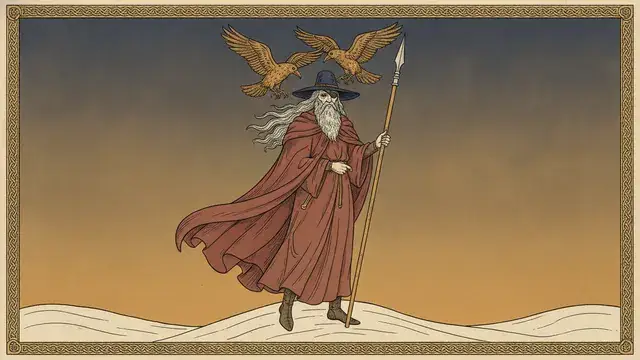
Wednesday was "Woden's day", and English speakers once pronounced the D. Here is how the D went silent and why the spelling never changed.
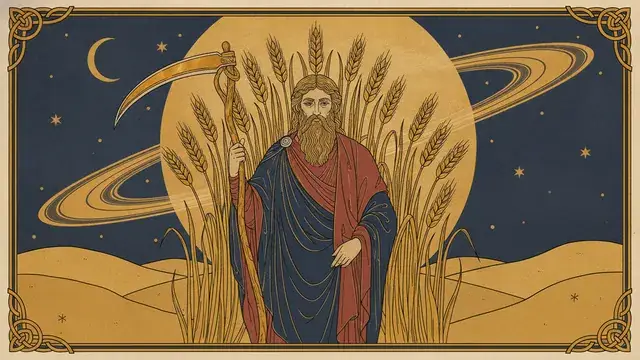
Saturday is Saturn's day — the one English weekday still named for a Roman god. Plus why Americans say "SAD-er-day" with a soft, tapped T.
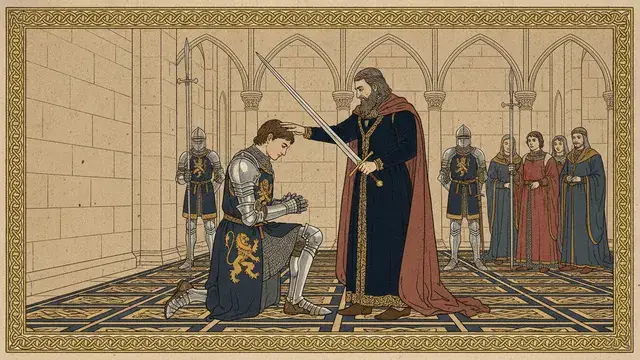
Knight was once pronounced with a K and a throaty GH, something like "k-NIKHT". Here is how both sounds disappeared and the spelling stayed.
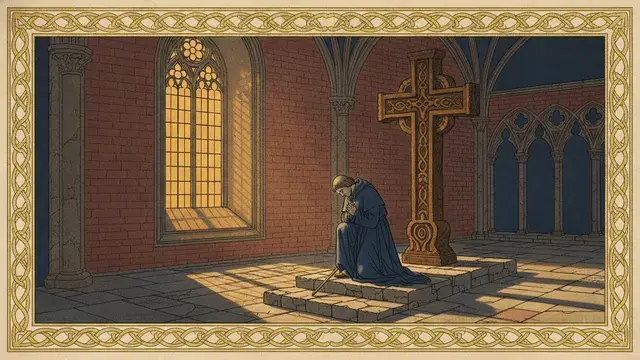
Knee was pronounced "k-NAY-oh" in Old English, K and all. German Knie still says the K. Here is when English dropped it and why the spelling stayed.
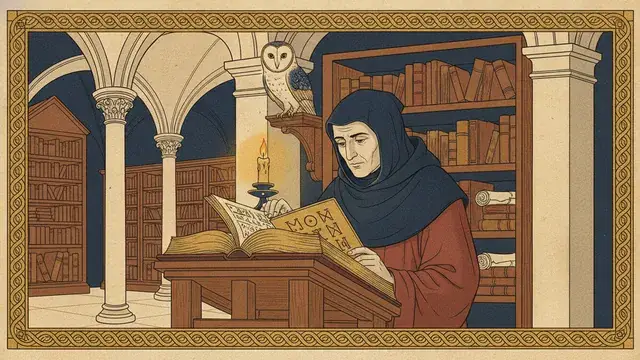
Know comes from Old English cnāwan, pronounced with a K. It shares an ancient root with Latin cognoscere and Greek gnosis. Here is how the K went silent.
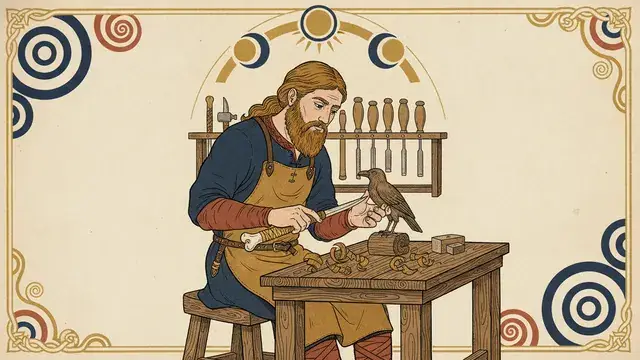
Knife came into late Old English as cnīf, probably from the Vikings' Old Norse knífr, and the K was pronounced. Here is how it went silent.
Write comes from Old English wrītan, once said with a real W. Writing first meant scratching runes into wood. Here is how the W went silent.
Wrong once meant "crooked, twisted" and was said with a real W. It is related to wring. Here is how the W went silent while the spelling stayed.
Two comes from Old English twā, said with a real W. The W is still heard in twelve, twenty, twin and between — the same root, a sound that survived.
Sword comes from Old English sweord, and the W was pronounced. German Schwert still has it. Here is how English lost the W but kept the spelling.
Answer comes from Old English andswaru, "a sworn reply" — it contains the word swear. That is where its silent W comes from.
In Old English, lamb was said with a final B. Later Middle English reduced -mb to -m, so lamb now rhymes with ham. Here is the story of the B.
Comb comes from Old English camb, an ancient word for "tooth", and its B was once pronounced. Here is how the B went silent and the vowel moved.
The GH in night was once a real sound, like the ch in German Nacht. Here is how English lost it, and why night now rhymes with bite.
Daughter comes from Old English dohtor, and the GH was a real throaty sound, like German Tochter. Here is how it went silent.
Though comes from a Viking word that pushed out Old English þēah. Its GH is a fossil of a lost throaty sound; today it is just "tho".
Castle comes from Latin castellum, and the T was once pronounced. English dropped it around the 1600s — the same change that silenced listen.
Christmas is Christ's mass — Old English Cristes mæsse. Here is why the T went silent and why the "eye" of Christ became the short "i" of Christmas.
The T in often went silent in the 1600s, then came back. Here is why both OFF-en and OFF-ten are correct, and which one is more traditional.
Fasten is built from fast, as in "hold fast", and the T was once said. Here is how it went silent, and why fast and fasten no longer match.
Walk comes from Old English wealcan, and the L was once pronounced. Speech dropped it in the early modern period, along with the L of talk and chalk.
Half comes from Old English healf, with a pronounced L. Speakers later dropped the L before F, as in calf — the spelling kept the old sound.
Calm traditionally has a silent L, like palm and psalm. But many Americans say the L — a spelling pronunciation. Here is the history, and which to use.
Should comes from Old English sceolde, and its L was really pronounced. It wore away because the word is so often unstressed — just like would.
Folk is Old English folc, and the L was once pronounced. Like yolk, walk and talk, it lost its L before K — the spelling kept the old sound.
A letter that was never said
These letters were never said in English. Scholars added them to make words look like Latin, or by mistaken analogy.
Unlike lamb and comb, the B in thumb was never pronounced. Old English said þūma — the B was added in the late 1200s by analogy with other -mb words.
English borrowed debt from French as dette, with no B. Scholars added the B later to show off its Latin root, debitum. It was never pronounced.
Doubt was spelled doute in Middle English, with no B. Renaissance scholars added one to match Latin dubitare — but English never pronounced it.
Receipt came into English as receyt, without a P. Writers added the P to make it look like Latin receptus. Recipe and receipt are the same word.
Island is a native English word, iland, that never had an S. In the 1500s writers wrongly linked it to the French-Latin isle and added one.

Salmon came from French as samoun, without an L. Writers added the L from Latin salmo to make it look classical. English never pronounced it.
Indict was spelled endite in Middle English and still sounds like it. The C was added to match Latin indictare, but it was never pronounced.
Could never had an L. It was coude in Middle English; the L was copied in the 1500s from would and should, whose L really was once pronounced.
A sound that moved
Every letter still counts, but the sound it stands for moved — often in the Great Vowel Shift.
Monday is the moon's day, from Old English Mōnandæg. So why does it sound like "MUN-day" and not "MOON-day"? The vowel took a different road.
Tuesday is named for Tiw, the Germanic god of war. Here is where the name comes from, and why Americans say "TOOZ-day" while the British say "TYOOZ-day".
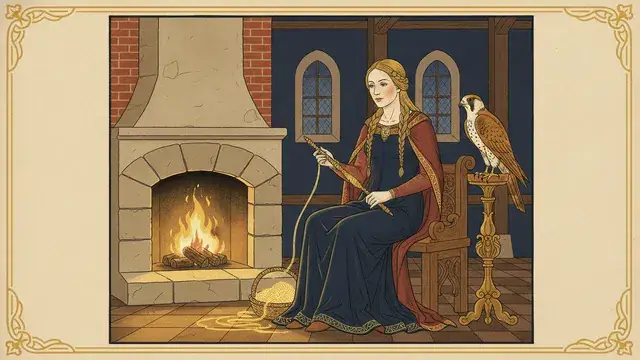
Friday is named for Frig, the Germanic goddess matched with Venus. Its I once sounded like "ee" — the Great Vowel Shift turned it into "eye".
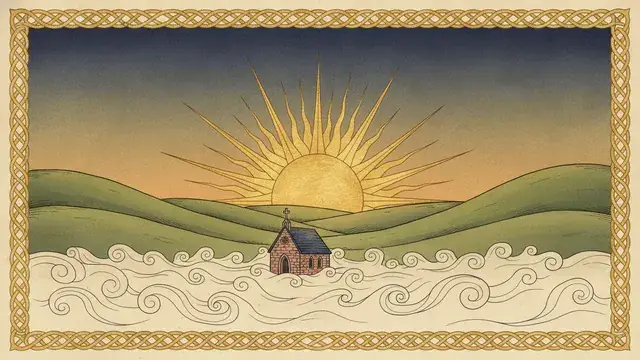
Sunday is the sun's day, from Old English Sunnandæg. Its vowel moved from "oo" to "uh" — and son, spelled with an O, ended up sounding the same.
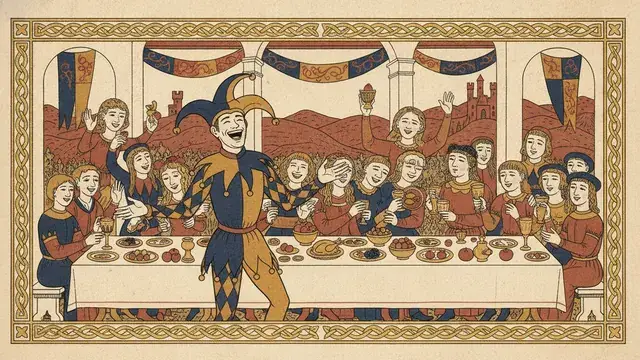
In laugh, the old throaty GH sound did not disappear — it turned into an F. Here is the history behind laugh, and why night went silent instead.
A spelling from somewhere else
The spelling and the pronunciation came from two different places.
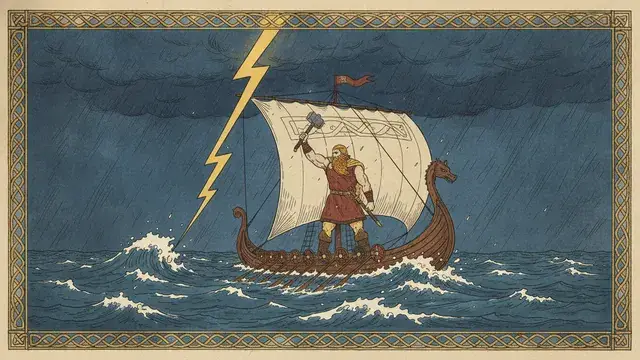
Thursday is Thor's day. The native English name was Thunresdæg, from Thunor, but the Vikings' Norse form is the one that stuck.
Colonel is spelled the Italian way but said the French way. The R in KER-nul comes from an older spelling, coronel, that English stopped writing.