The silent L: walk, half, calm, could and salmon
English has dozens of words with a silent L, and they look alike. Their histories are opposite.
Most of them lost a real sound. In Old and Middle English, walk, half, folk and should all pronounced their L. Over the late Middle Ages and the early modern period, speakers dropped it in particular positions: before K (walk, talk, folk, yolk), before F (half, calf), before M (calm, palm, psalm), and in the little unstressed words should and would. The spelling was already fixed, so it kept the L.
Two of them never had an L to lose. Could was coude; it got its L in the 1500s by analogy with should and would. Salmon was samoun; writers added the L from Latin salmo.

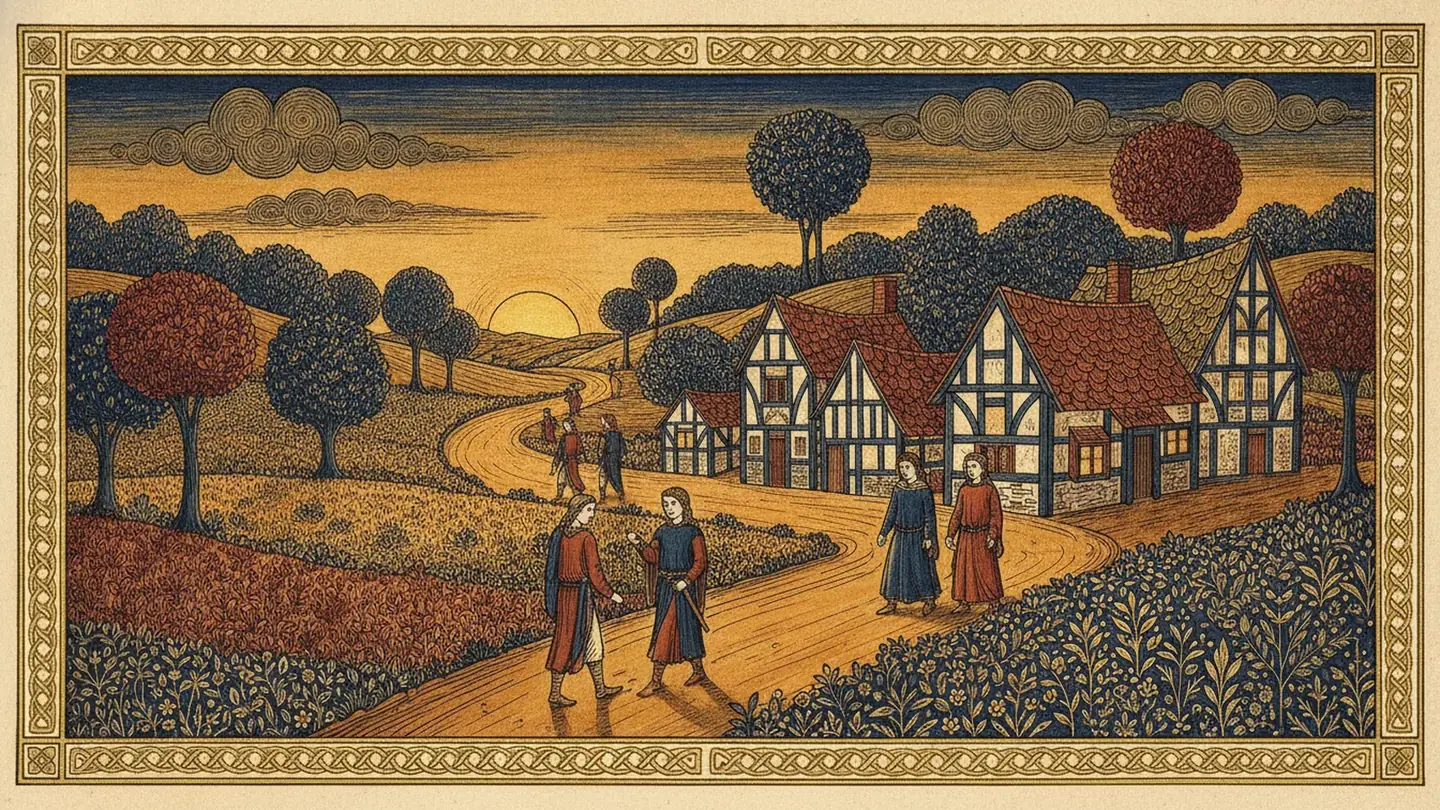
walk
Walk comes from Old English wealcan, and the L was once pronounced. Speech dropped it in the early modern period, along with the L of talk and chalk.
- Then · Old English
- wealcan
- Say it
- WAWK
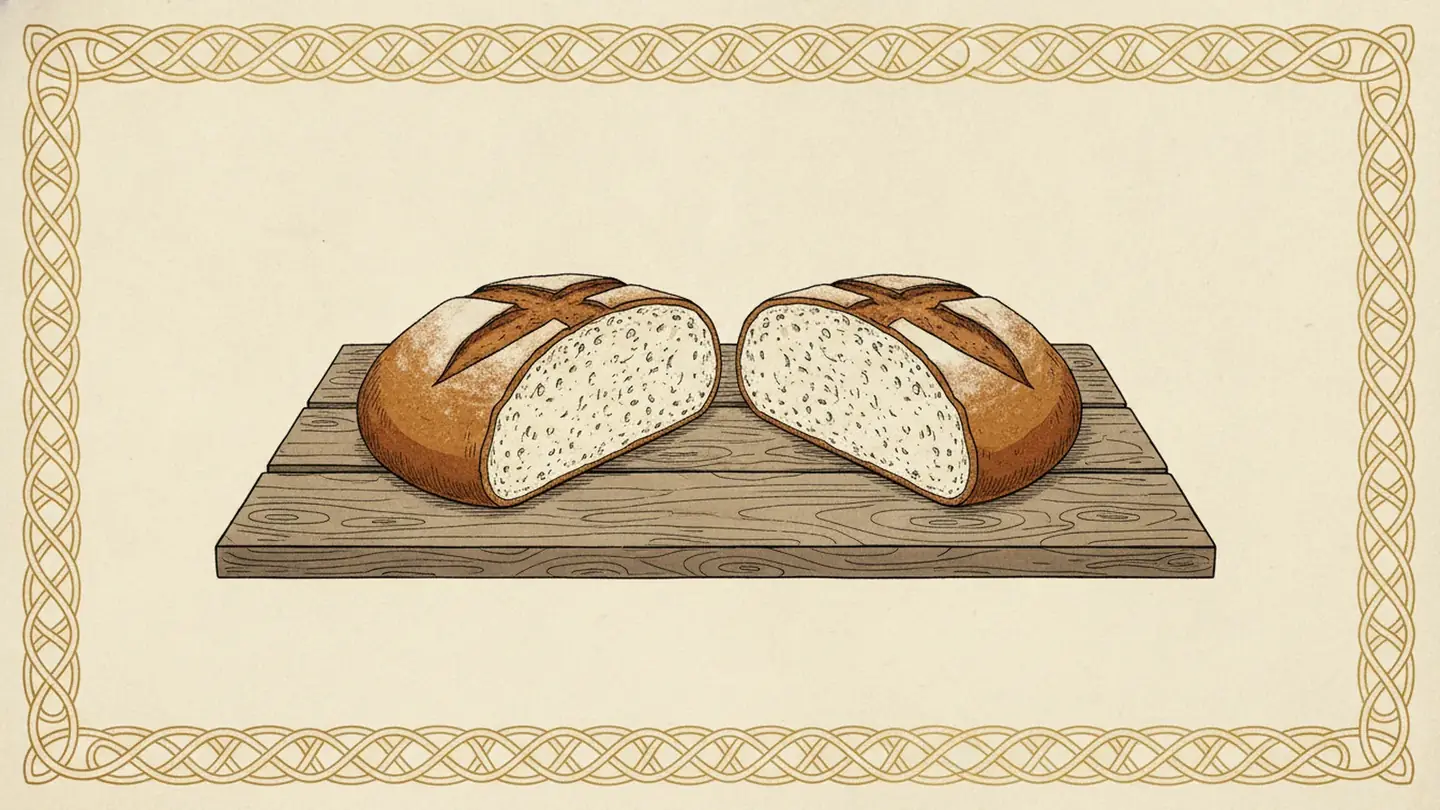
half
Half comes from Old English healf, with a pronounced L. Speakers later dropped the L before F, as in calf — the spelling kept the old sound.
- Then · Old English
- healf
- Say it
- HAF

calm
Calm traditionally has a silent L, like palm and psalm. But many Americans say the L — a spelling pronunciation. Here is the history, and which to use.
- Then · Middle English
- calme
- Say it
- KAHM
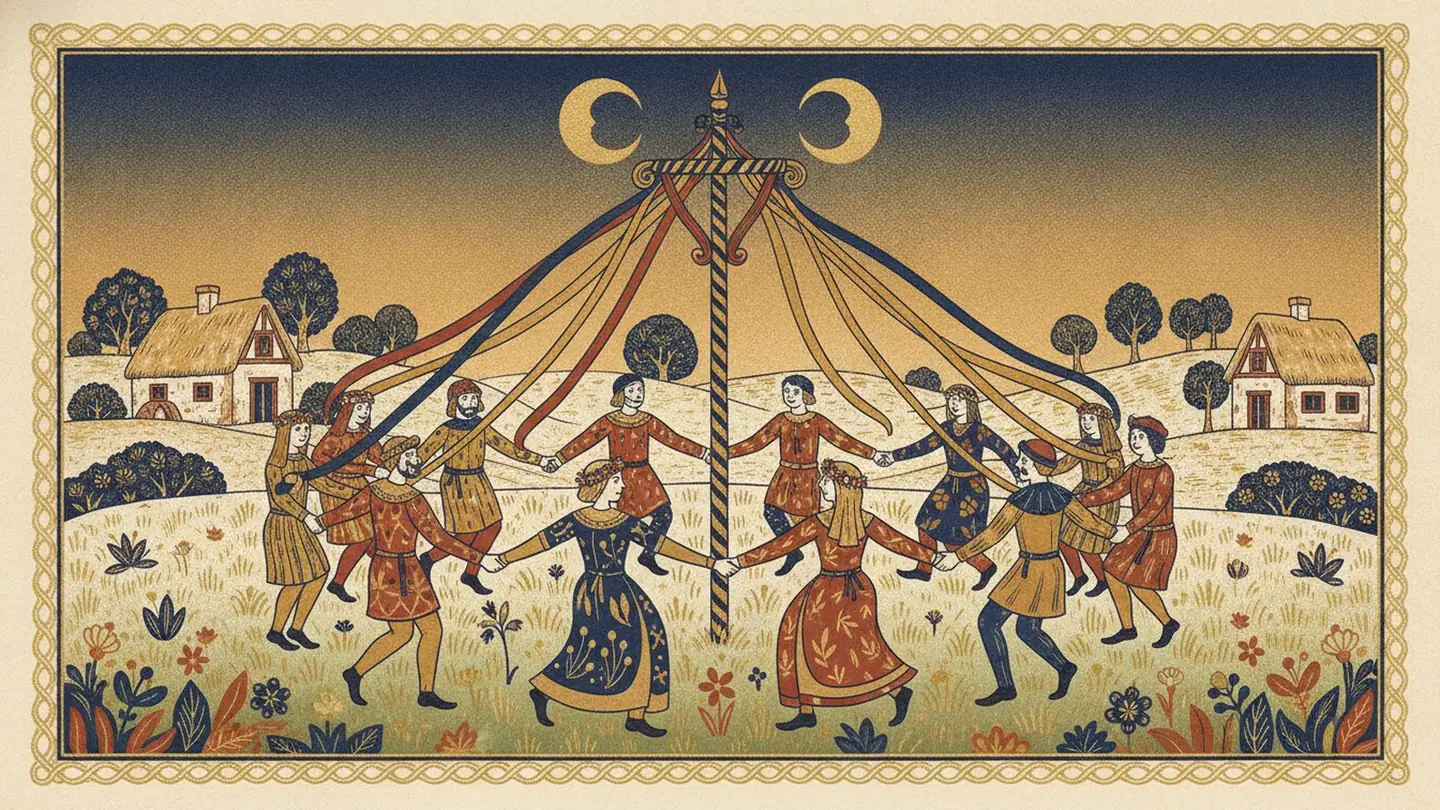
folk
Folk is Old English folc, and the L was once pronounced. Like yolk, walk and talk, it lost its L before K — the spelling kept the old sound.
- Then · Old English
- folc
- Say it
- FOHK
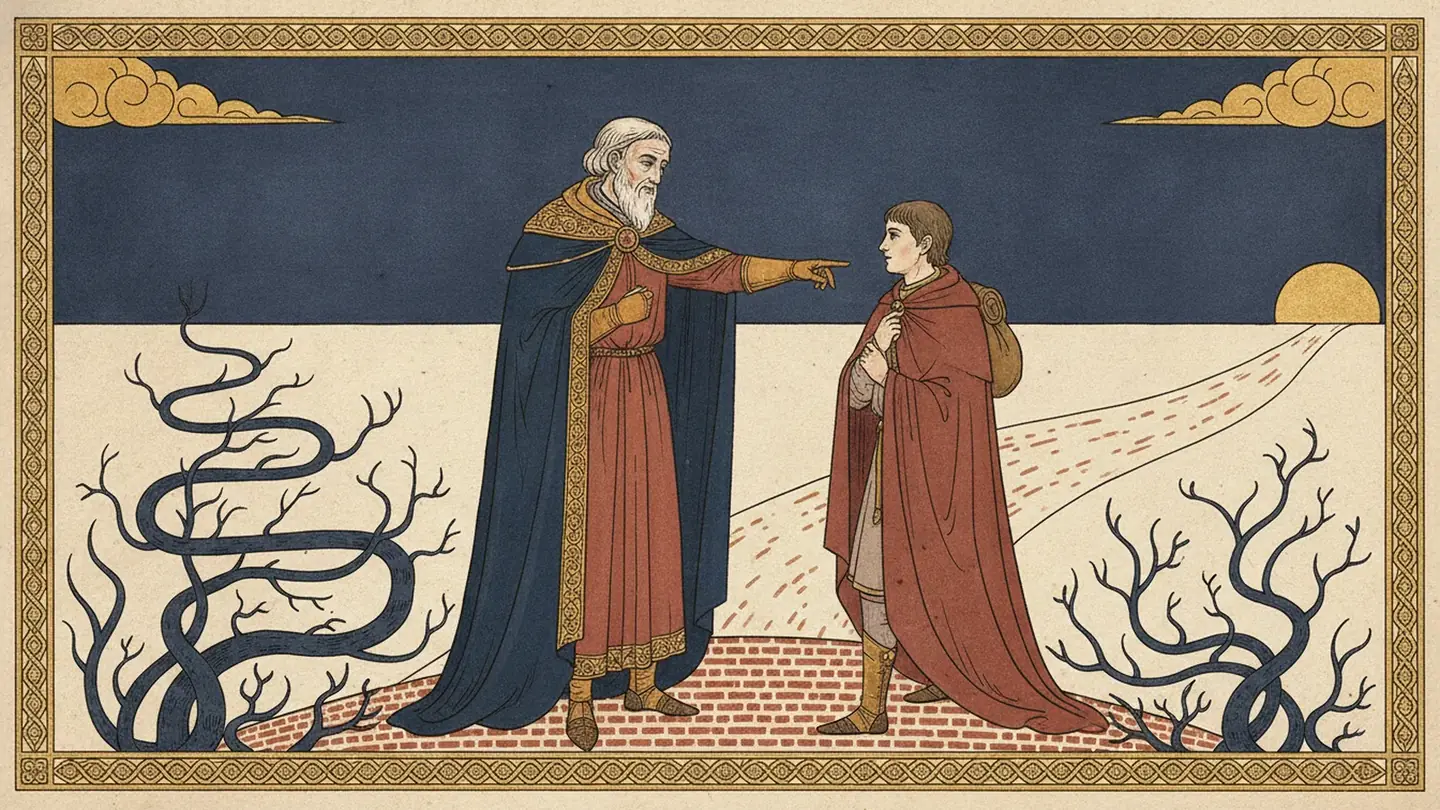
should
Should comes from Old English sceolde, and its L was really pronounced. It wore away because the word is so often unstressed — just like would.
- Then · Old English
- sċolde
- Say it
- SHUD, rhymes with good
could
Could never had an L. It was coude in Middle English; the L was copied in the 1500s from would and should, whose L really was once pronounced.
- Then · Old English
- cūþe
- Say it
- KUD, rhymes with good

salmon
Salmon came from French as samoun, without an L. Writers added the L from Latin salmo to make it look classical. English never pronounced it.
- Then · Middle English
- samoun
- Say it
- SAM-un
Where the L comes back
Spelling can push a sound back into a word. Many Americans now pronounce the L in calm and palm, and dictionaries accept both. The same thing happened earlier to falcon and fault, which today have a pronounced L. But in walk, talk, half, folk, should, could and salmon, an audible L still sounds non-native.
A quick check
Silent: walk, talk, chalk, half, calf, folk, yolk, should, would, could, salmon. Either way: calm, palm. Pronounced: film, milk, help, gold, salt.
Questions people ask
+Why is the L silent in walk and talk?
The L was pronounced in Old and Middle English, then dropped in most accents before K. The spelling kept it.
+Why do could, should and would have a silent L?
Should and would had a real L that wore away in these often-unstressed words. Could never had one: the L was added in the 1500s to match the other two.
+Should I pronounce the L in calm and palm?
Both pronunciations are accepted in American English. The L-less /kɑm/, /pɑm/ is traditional; many Americans say the L.
More word stories
Why English spelling doesn't match the sound
Silent letters, odd vowels, colonel said "kernel": the three reasons English spelling stopped matching speech, with a story for each word.

The days of the week: gods, planets and lost sounds
Why the English days of the week are named after Woden, Thor, Frigg and Saturn, and how each name is pronounced in American English today.
The silent K: knight, knee, know and knife
Why English writes a K in knight, knee, know and knife but doesn't say it — the kn- sound was pronounced until the 1600s.

The silent W: write, wrong, two, sword, answer
Why English spells a W in write, wrong, two, sword and answer but doesn't say it. Every one of those Ws was once a real sound.
The silent B: lamb, comb, thumb, debt, doubt
Some silent Bs were once pronounced (lamb, comb); others never were (thumb, debt, doubt). How to tell a lost sound from a letter that was added.

The lost GH sound: night, daughter, laugh and though
English GH was once a real sound, like German Nacht. Here is how it went silent in night and daughter but turned into F in laugh.

The silent T: castle, Christmas, often and fasten
Why castle, Christmas and fasten have a silent T, and why many people now say the T in often again. History plus American pronunciation tips.

Silent letters that were never pronounced
The B in debt, the P in receipt and the S in island were never said. Scholars added them to make English look Latin. Here is the full story.