The silent W: write, wrong, two, sword, answer
Silent Ws come in two kinds, and both were once real sounds.
The first is the wr- at the start of a word. Old English wrītan and wrang began with a rounded W gliding into R. Around the 1600s, speakers dropped the W and kept the R — the same century that silenced the K in knight and know. Every wr- word went together: write, wrong, wrist, wreck, wrap, wrinkle.
The second kind is a W swallowed by its neighbors: next to a rounded "oh" or "oo" vowel (two, sword), or in a weak syllable of a long compound (answer). Here the change was gradual and word-by-word, which is why the W survives in related words like twelve, twenty and swear.
write
Write comes from Old English wrītan, once said with a real W. Writing first meant scratching runes into wood. Here is how the W went silent.
- Then · Old English
- wrītan
- Say it
- RITE
wrong
Wrong once meant "crooked, twisted" and was said with a real W. It is related to wring. Here is how the W went silent while the spelling stayed.
- Then · late Old English
- wrang
- Say it
- RAWNG
two
Two comes from Old English twā, said with a real W. The W is still heard in twelve, twenty, twin and between — the same root, a sound that survived.
- Then · Old English
- twā
- Say it
- TOO
sword
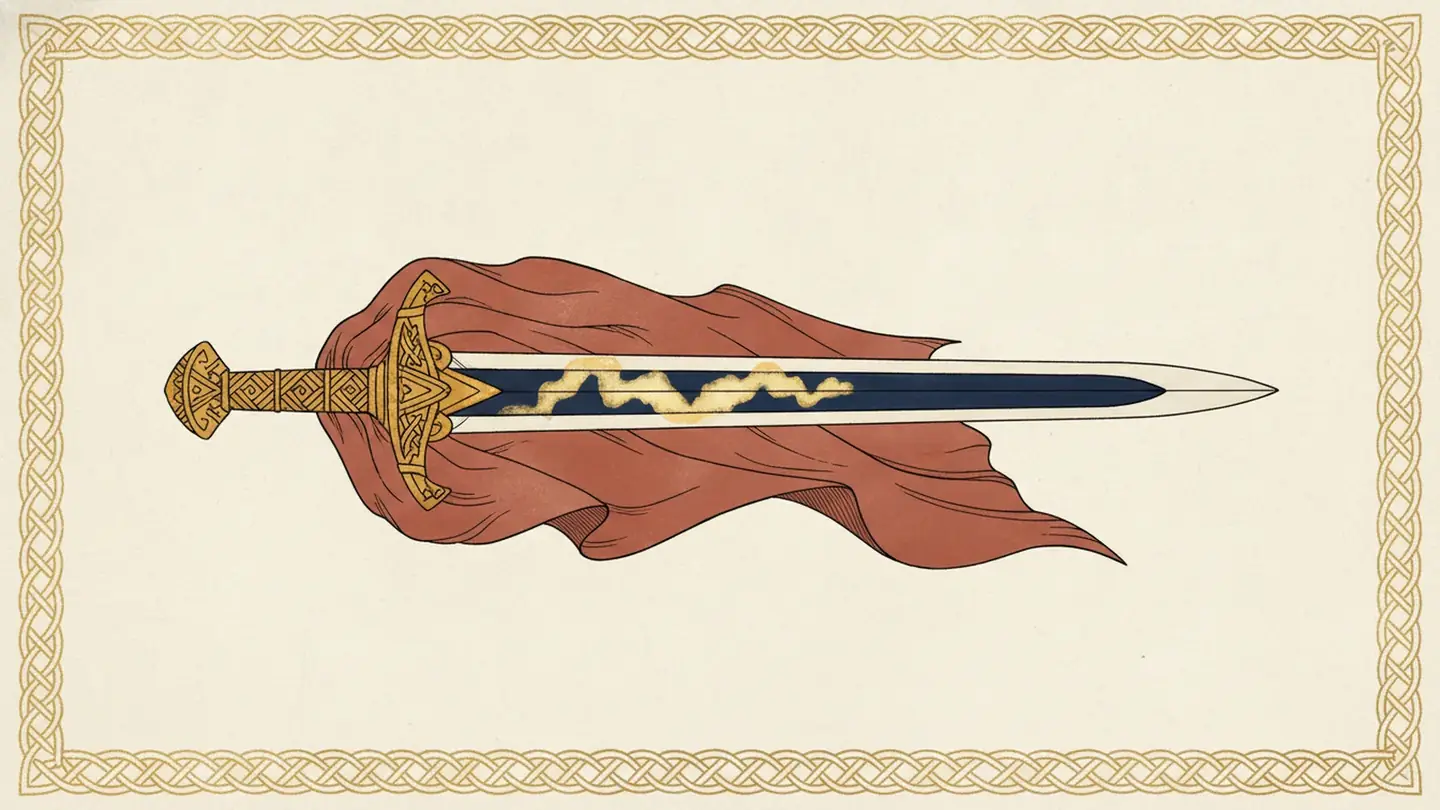
Sword comes from Old English sweord, and the W was pronounced. German Schwert still has it. Here is how English lost the W but kept the spelling.
- Then · Old English
- sweord
- Say it
- SORD
answer
Answer comes from Old English andswaru, "a sworn reply" — it contains the word swear. That is where its silent W comes from.
- Then · Old English
- andswaru
- Say it
- AN-ser
The American R is a little bit W
The American R is made with the lips slightly rounded, which is a faint echo of the lost W in write and wrong. Don't add a W — but don't spread the lips flat either.
Where the W survived
The proof that these Ws were real is in their relatives: two lost it, but twelve, twenty, twin and between kept it. Answer lost it, but swear — the word hidden inside answer — kept it.
Questions people ask
+Why is the W silent in write and wrong?
English speakers simplified the wr- cluster to r- around the 1600s, after the spelling had already been fixed.
+Why is there a W in two?
Old English twā was pronounced with a W. It was later absorbed into the rounded vowel. Twelve and twenty, from the same root, kept it.
More word stories
Why English spelling doesn't match the sound
Silent letters, odd vowels, colonel said "kernel": the three reasons English spelling stopped matching speech, with a story for each word.
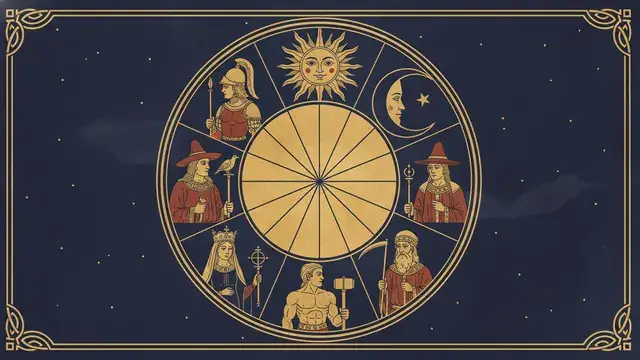
The days of the week: gods, planets and lost sounds
Why the English days of the week are named after Woden, Thor, Frigg and Saturn, and how each name is pronounced in American English today.
The silent K: knight, knee, know and knife
Why English writes a K in knight, knee, know and knife but doesn't say it — the kn- sound was pronounced until the 1600s.
The silent B: lamb, comb, thumb, debt, doubt
Some silent Bs were once pronounced (lamb, comb); others never were (thumb, debt, doubt). How to tell a lost sound from a letter that was added.
The lost GH sound: night, daughter, laugh and though
English GH was once a real sound, like German Nacht. Here is how it went silent in night and daughter but turned into F in laugh.
The silent T: castle, Christmas, often and fasten
Why castle, Christmas and fasten have a silent T, and why many people now say the T in often again. History plus American pronunciation tips.
Silent letters that were never pronounced
The B in debt, the P in receipt and the S in island were never said. Scholars added them to make English look Latin. Here is the full story.
The silent L: walk, half, calm, could and salmon
Why the L is silent in walk, half, calm, folk and should — and why could and salmon have an L that was never pronounced in the first place.