Silent letters that were never pronounced
Most silent letters in English are fossils: the K in knight and the D in Wednesday were pronounced once, and the spelling froze before the sound disappeared. The letters on this page are the exception. They were never pronounced at all.
In the 1400s-1600s, English writers who had been trained in Latin started "repairing" English spellings. A word borrowed from French as dette was respelled debt to show its Latin ancestor debitum; doute became doubt after dubitare; receite became receipt after receptus. The letters were added for the reader's eye, and speech ignored them.
Some of the repairs were not even correct. Island got its S by confusion with the unrelated isle, and could got its L by copying would and should. Each word below has its full story.
debt
English borrowed debt from French as dette, with no B. Scholars added the B later to show off its Latin root, debitum. It was never pronounced.
- Then · Middle English
- dette
- Say it
- DET

doubt
Doubt was spelled doute in Middle English, with no B. Renaissance scholars added one to match Latin dubitare — but English never pronounced it.
- Then · Middle English
- doute
- Say it
- DOWT
receipt
Receipt came into English as receyt, without a P. Writers added the P to make it look like Latin receptus. Recipe and receipt are the same word.
- Then · Middle English
- receyt
- Say it
- rih-SEET

island
Island is a native English word, iland, that never had an S. In the 1500s writers wrongly linked it to the French-Latin isle and added one.
- Then · Old English
- īeġland
- Say it
- EYE-lund

salmon
Salmon came from French as samoun, without an L. Writers added the L from Latin salmo to make it look classical. English never pronounced it.
- Then · Middle English
- samoun
- Say it
- SAM-un
indict
Indict was spelled endite in Middle English and still sounds like it. The C was added to match Latin indictare, but it was never pronounced.
- Then · Middle English
- enditen
- Say it
- in-DITE
could
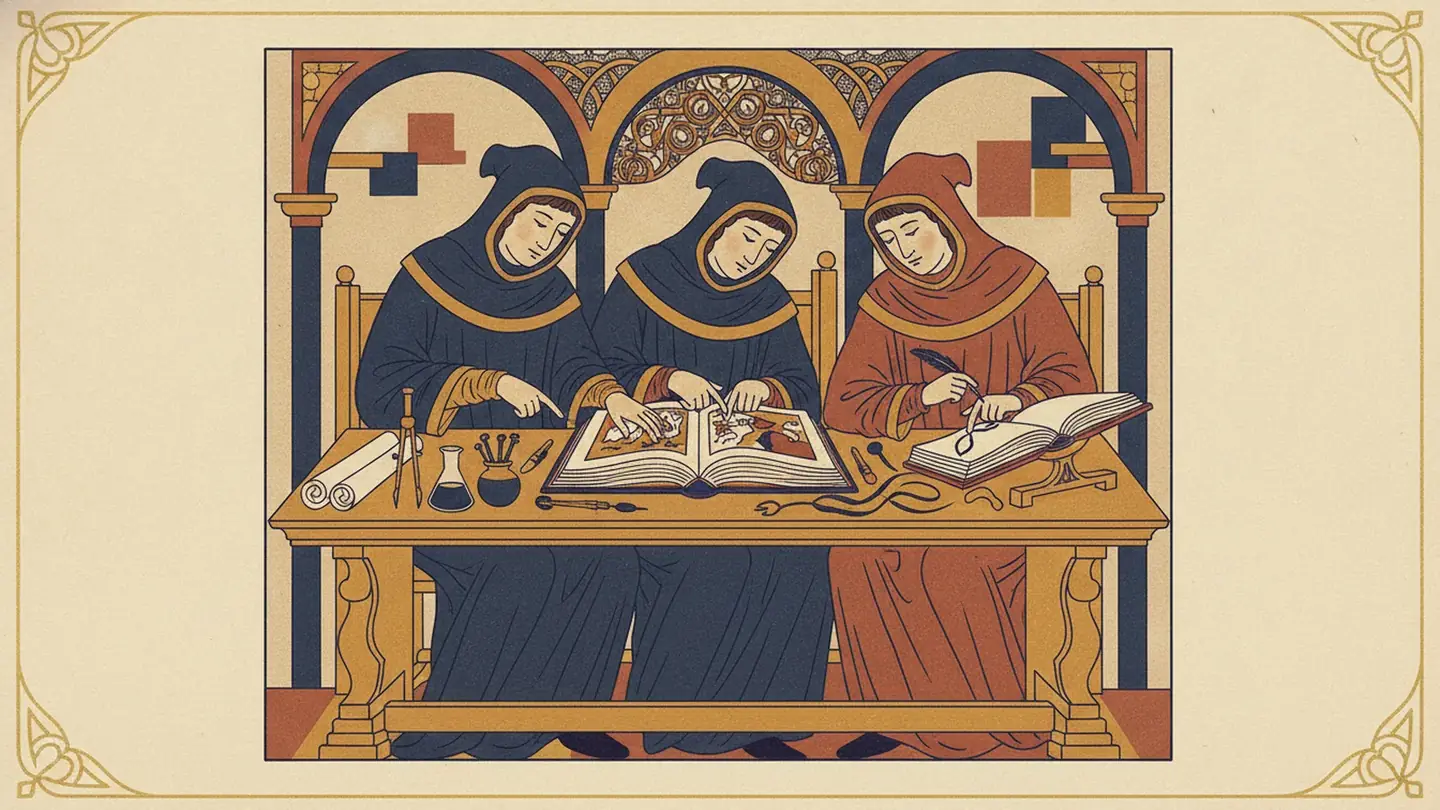
Could never had an L. It was coude in Middle English; the L was copied in the 1500s from would and should, whose L really was once pronounced.
- Then · Old English
- cūþe
- Say it
- KUD, rhymes with good
thumb
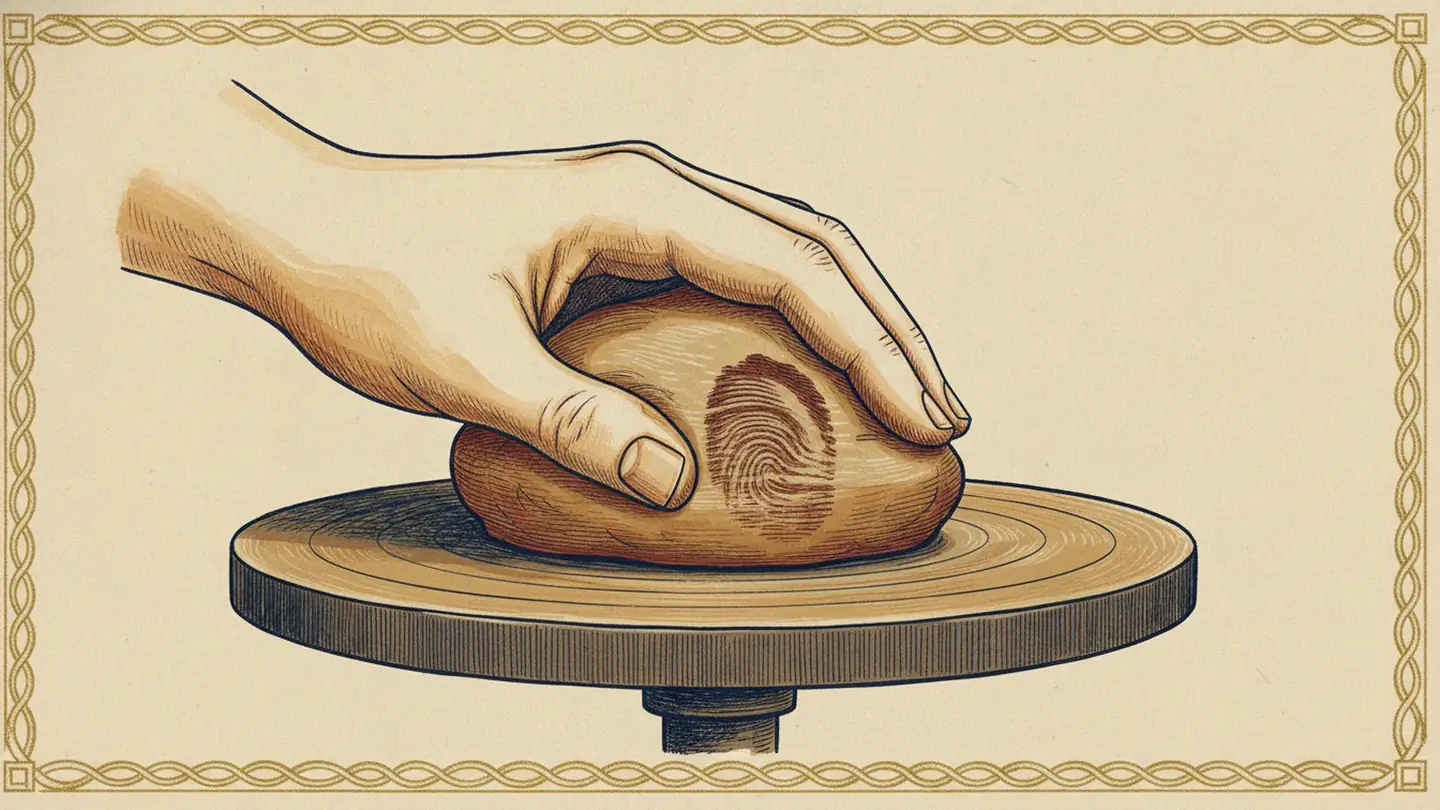
Unlike lamb and comb, the B in thumb was never pronounced. Old English said þūma — the B was added in the late 1200s by analogy with other -mb words.
- Then · Old English
- þūma
- Say it
- THUM
How to tell a fossil from an addition
You cannot tell by looking — both kinds are silent today. The history is the only test: if the Middle English spelling lacked the letter (dette, iland, coude), it is an addition. If the Old English word had it and the sound wore away (cniht → knight, wealcan → walk), it is a fossil.
Why it matters for your accent
Learners often pronounce silent letters because the spelling looks authoritative. For these words the spelling is actually the misleading part: the pronunciation is the older, more original form. Say DET, DOWT, rih-SEET, EYE-lund, SAM-un, in-DITE and kood.
Questions people ask
+Why does English have silent letters that were never pronounced?
Scholars in the 1400s-1600s respelled some borrowed words to show their Latin roots — debt, doubt, receipt, salmon, indict. The sound never changed.
+Which silent letters were added by mistake?
The S in island (from confusion with the unrelated isle) and the L in could (copied from would and should).
More word stories
Why English spelling doesn't match the sound
Silent letters, odd vowels, colonel said "kernel": the three reasons English spelling stopped matching speech, with a story for each word.

The days of the week: gods, planets and lost sounds
Why the English days of the week are named after Woden, Thor, Frigg and Saturn, and how each name is pronounced in American English today.
The silent K: knight, knee, know and knife
Why English writes a K in knight, knee, know and knife but doesn't say it — the kn- sound was pronounced until the 1600s.

The silent W: write, wrong, two, sword, answer
Why English spells a W in write, wrong, two, sword and answer but doesn't say it. Every one of those Ws was once a real sound.
The silent B: lamb, comb, thumb, debt, doubt
Some silent Bs were once pronounced (lamb, comb); others never were (thumb, debt, doubt). How to tell a lost sound from a letter that was added.

The lost GH sound: night, daughter, laugh and though
English GH was once a real sound, like German Nacht. Here is how it went silent in night and daughter but turned into F in laugh.

The silent T: castle, Christmas, often and fasten
Why castle, Christmas and fasten have a silent T, and why many people now say the T in often again. History plus American pronunciation tips.
The silent L: walk, half, calm, could and salmon
Why the L is silent in walk, half, calm, folk and should — and why could and salmon have an L that was never pronounced in the first place.