Why English spelling doesn't match the sound
English spelling looks chaotic, but most of it is history. When a word's letters don't match its sound, there is almost always one of three explanations behind it.
1. The spelling froze, the sounds kept moving
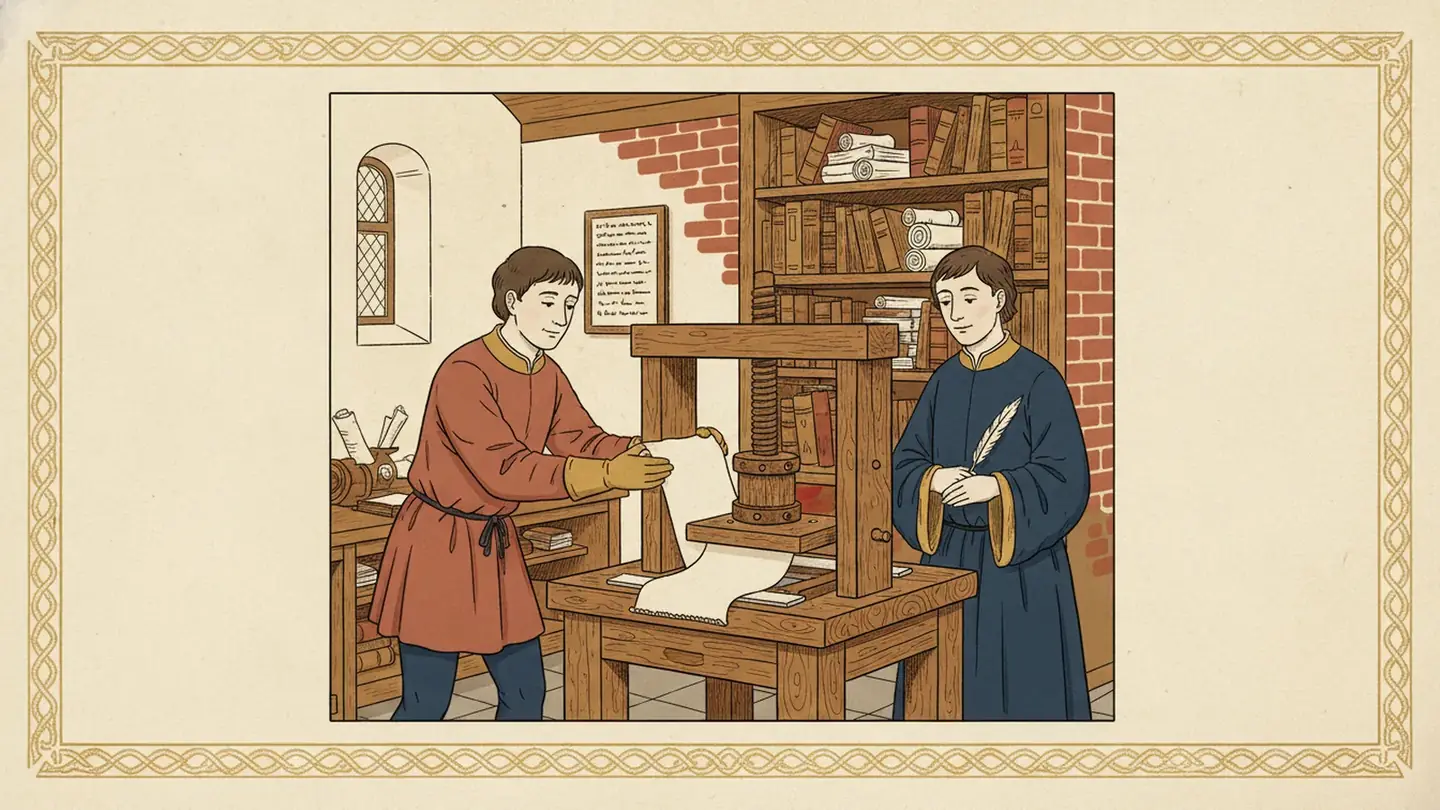
Until the late Middle Ages, English was spelled more or less as it was said, and spelling varied from writer to writer. Then it settled: government scribes standardized their spelling in the 1400s, and after William Caxton set up England's first printing press in 1476, printed books spread the same forms everywhere.
Speech did not stop changing. Over the next two centuries English speakers stopped saying the K in knight, the W in write, the GH in night and the D in Wednesday. At the same time the Great Vowel Shift moved every long vowel: the I in Friday went from "ee" to "eye". The spelling still records English as it sounded before all of that — which is why most silent letters are really fossils of sounds people once said.
2. Scholars added letters nobody ever said
In the 1500s, admirers of Latin "corrected" English words to show where they came from. Dette became debt (Latin debitum), doute became doubt, receite became receipt. Some fixes were simply wrong: the S in island comes from a false link with isle, and the L in could was copied from would and should. These letters were never pronounced in English at all.
3. The spelling and the sound came from different places
A few words took their spelling from one source and their pronunciation from another. Colonel is spelled like Italian colonnello but said like the older French borrowing coronel — hence "KER-nul".
The words below show one of each, and every word links to its full story.
Wednesday
Wednesday was "Woden's day", and English speakers once pronounced the D. Here is how the D went silent and why the spelling never changed.
- Then · Old English
- Wōdnesdæg
- Say it
- WENZ-day
knight
Knight was once pronounced with a K and a throaty GH, something like "k-NIKHT". Here is how both sounds disappeared and the spelling stayed.
- Then · Old English
- cniht
- Say it
- NITE
night
The GH in night was once a real sound, like the ch in German Nacht. Here is how English lost it, and why night now rhymes with bite.
- Then · Old English
- niht
- Say it
- NITE
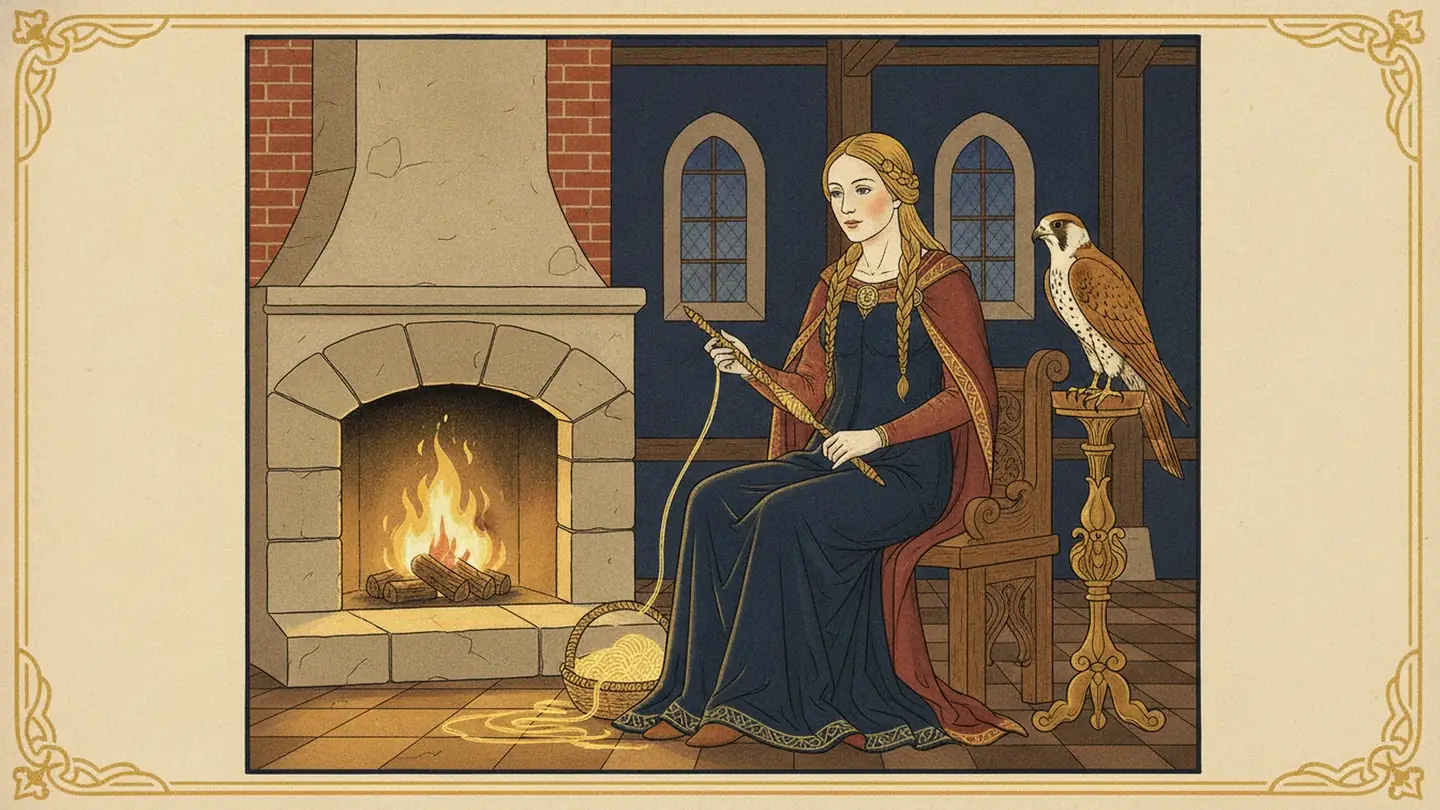
Friday
Friday is named for Frig, the Germanic goddess matched with Venus. Its I once sounded like "ee" — the Great Vowel Shift turned it into "eye".
- Then · Old English
- Frīgedæg
- Say it
- FRY-day
debt
English borrowed debt from French as dette, with no B. Scholars added the B later to show off its Latin root, debitum. It was never pronounced.
- Then · Middle English
- dette
- Say it
- DET

island
Island is a native English word, iland, that never had an S. In the 1500s writers wrongly linked it to the French-Latin isle and added one.
- Then · Old English
- īeġland
- Say it
- EYE-lund
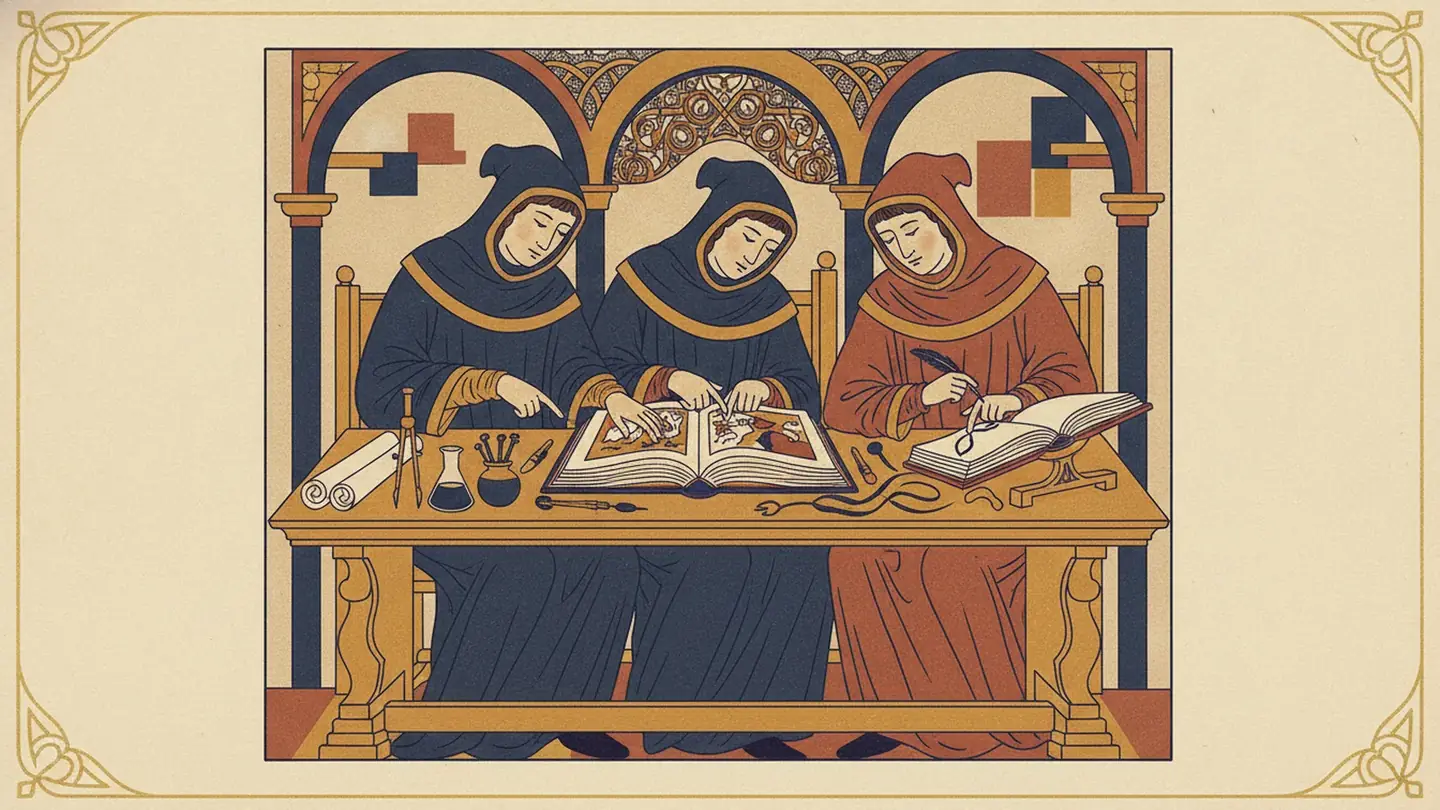
could
Could never had an L. It was coude in Middle English; the L was copied in the 1500s from would and should, whose L really was once pronounced.
- Then · Old English
- cūþe
- Say it
- KUD, rhymes with good
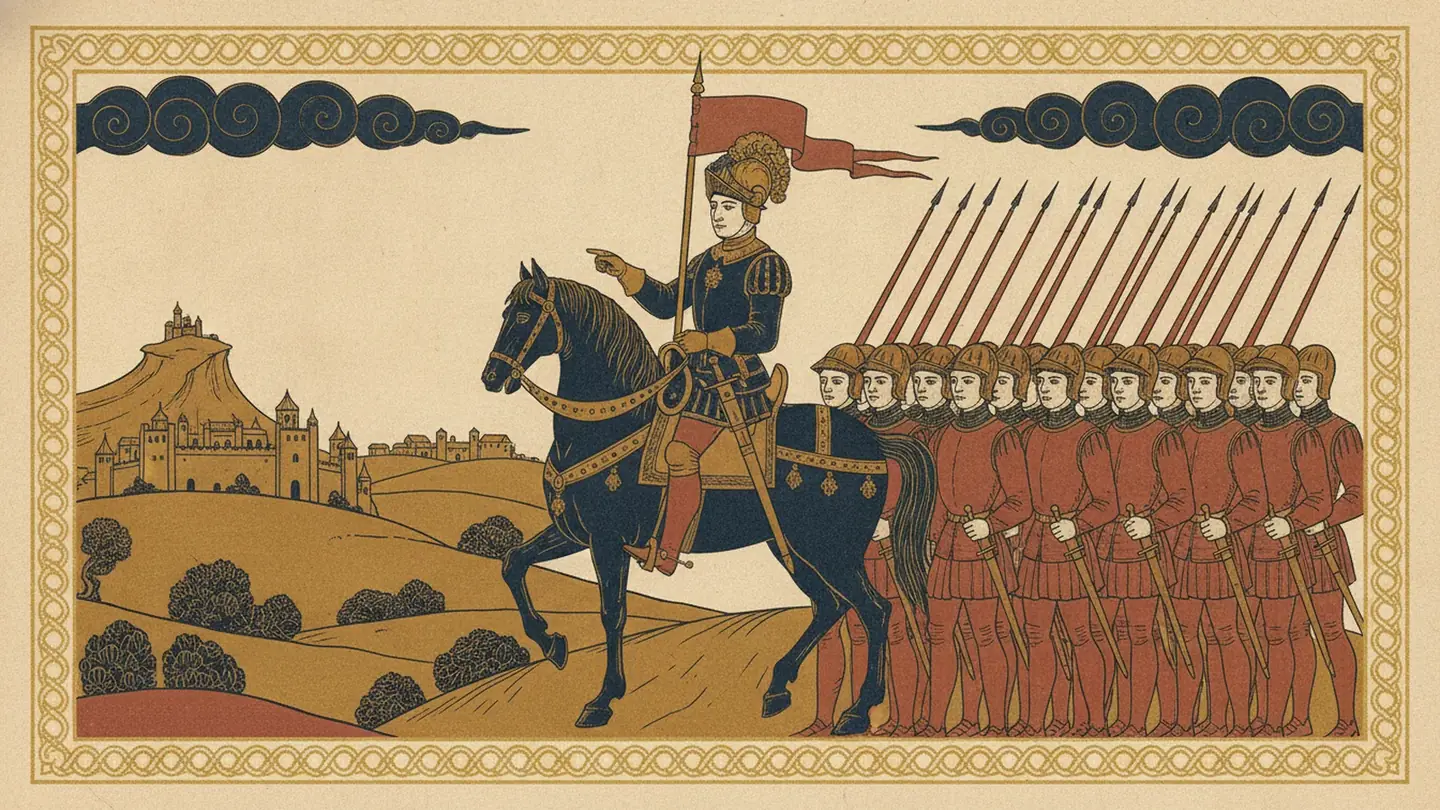
colonel
Colonel is spelled the Italian way but said the French way. The R in KER-nul comes from an older spelling, coronel, that English stopped writing.
- Then · Middle French
- coronnel
- Say it
- KER-nul
What this means when you are learning to speak
Treat spelling as a historical record, not as instructions. A few patterns are reliable enough to learn as rules:
- kn- at the start of a word: the K is silent (knee, know, knife).
- wr- at the start of a word: the W is silent (write, wrong).
- -mb at the end of a word: the B is silent (lamb, comb, thumb).
- -alk, -alf, -olk: the L is silent (walk, half, folk).
- -stle, -sten: the T is silent (castle, listen, fasten).
- -igh: the GH is silent and the vowel says "eye" (night, light).
For everything else, listen first and read second — then check each word's page for how it is said in American English today.
Questions people ask
+Why does English have so many silent letters?
Most of them were pronounced once. English spelling was standardized in the 1400s-1500s, and pronunciation kept changing afterwards, so the letters stayed while the sounds disappeared. A smaller group — like the B in debt — were added by scholars and never pronounced.
+What was the Great Vowel Shift?
A change in English pronunciation between about 1400 and 1600 in which all the long vowels moved. It is why the letter I says "eye" in time and Friday, when it once said "ee".
+Were silent letters ever pronounced?
Many were: the K in knight, the W in write, the GH in night and the D in Wednesday were all spoken in Old or Middle English. Others never were: the B in debt, the S in island and the L in could were added to the spelling later.
More word stories

The days of the week: gods, planets and lost sounds
Why the English days of the week are named after Woden, Thor, Frigg and Saturn, and how each name is pronounced in American English today.
The silent K: knight, knee, know and knife
Why English writes a K in knight, knee, know and knife but doesn't say it — the kn- sound was pronounced until the 1600s.
The silent W: write, wrong, two, sword, answer
Why English spells a W in write, wrong, two, sword and answer but doesn't say it. Every one of those Ws was once a real sound.
The silent B: lamb, comb, thumb, debt, doubt
Some silent Bs were once pronounced (lamb, comb); others never were (thumb, debt, doubt). How to tell a lost sound from a letter that was added.
The lost GH sound: night, daughter, laugh and though
English GH was once a real sound, like German Nacht. Here is how it went silent in night and daughter but turned into F in laugh.

The silent T: castle, Christmas, often and fasten
Why castle, Christmas and fasten have a silent T, and why many people now say the T in often again. History plus American pronunciation tips.

Silent letters that were never pronounced
The B in debt, the P in receipt and the S in island were never said. Scholars added them to make English look Latin. Here is the full story.
The silent L: walk, half, calm, could and salmon
Why the L is silent in walk, half, calm, folk and should — and why could and salmon have an L that was never pronounced in the first place.