
American English sound
/ʊr/: how to pronounce “oor” in pure, tour and sure
/ʊr/ is the sound in pure, cure and tour: the vowel of “book” followed by the American R.
It's the rarest of the R-vowels, and it's shifting. Many Americans say poor and tour with the /ɔr/ of more, and sure with the /ɝ/ of her. All of these are standard American English.
/ʊr/
the “oor” sound
How to make the sound
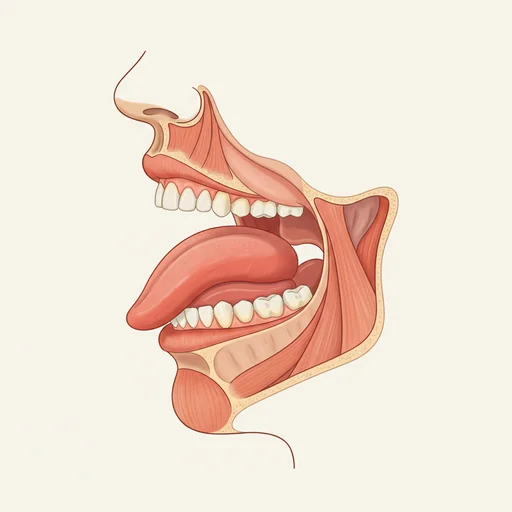
- 1Start with the vowel of “book”: tongue high and back, lips slightly rounded.
- 2Move into the American R.
- 3Keep it one syllable: pure, not “pyoo-er”.
- 4Keep the R to the end of the word.
- Tongue
- high-back
- Lips
- rounded
- Voice
- voiced
Hear it in words
Tap a word to hear it.
At the start
/ʊr/ almost never starts an English word.
In the middle
At the end
How it's spelled
- ure: pure, cure, sure, during
- our: tour, tourist
- oor: poor, moor
Common mistakes
Dropping the R: “pyoo-uh”
The British pattern. Keep the R in pure, cure and tour.
Two syllables: “pyoo-er”
Pure is one syllable. Glide from the vowel into the R.
Forgetting the y in pure and cure
Pure, cure and curious start with /pj/ and /kj/: “pyur”, not “poor”.
Try it
“The tourist was curious about the pure water during the tour.”
Record a sentence and get a score for every sound, /ʊr/ included. Free, no account.
Questions
Is it wrong to say “sure” like “sher”?
No. Many Americans say sure as /ʃɝ/ and poor as /pɔr/. The /ʊr/ pronunciation is also standard; choose the one you hear most around you.
Why do pure and poor sound different?
Pure has a y sound after the p: /pjʊr/. Poor has none: /pʊr/ or /pɔr/.