
American English sound
/ʊ/: how to pronounce the short “oo” in book, good and put
/ʊ/ is the short, relaxed vowel in book, good and put. Its partner /u/, in food, pool and fool, is longer, tenser and more rounded.
Many languages have only one “u”, so learners often say full like fool and pull like pool. The spelling doesn't help: book and food both have oo.
/ʊ/
the short “oo”
How to make the sound
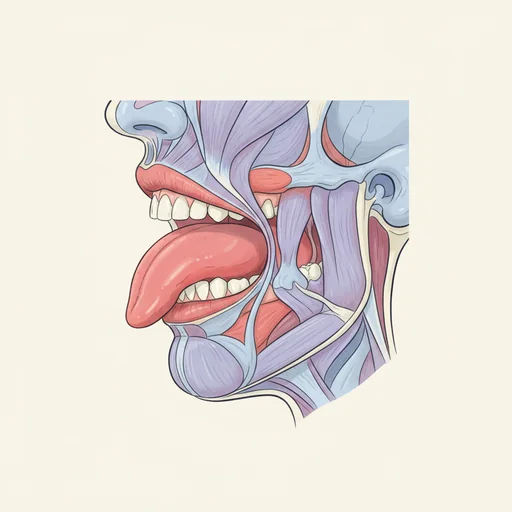
- 1Raise the back of your tongue, but less than for “food”, and keep it relaxed.
- 2Round your lips only slightly; don't push them forward.
- 3Let your jaw drop a little.
- 4Keep it short. Held longer, it slides toward /u/.
- Tongue
- high-back, relaxed (lower than /u/)
- Lips
- slightly rounded
- Voice
- voiced
Hear it in words
Tap a word to hear it.
At the start
/ʊ/ almost never starts or ends an English word: it sits between consonants.
In the middle
At the end
/ʊ/ almost never starts or ends an English word: it sits between consonants.
How it's spelled
- oo: book, good, foot, look
- u: put, push, full, sugar
- ou: could, would, should
- o (rare): woman, wolf
Common mistakes
Using /u/: “fool” for full
The tongue goes too high and the lips round too much. Relax both and keep the vowel short.
Reading oo as long
Book, good, foot, look and cook have the short /ʊ/; food, moon and pool have the long /u/. Learn the short ones by ear.
Unrounded, like “cup”
With no rounding at all, put drifts toward putt. Keep a slight rounding.
Who finds /ʊ/ hard
Speakers of these languages often replace it with a sound from their own language. Linked languages have their own accent traps page.
Often say /u/ instead
Minimal pairs
Each pair differs by one sound. If both words sound the same when you say them, practice this pair.
Try it
“Could you put the good book on the wooden shelf?”
Record a sentence and get a score for every sound, /ʊ/ included. Free, no account.
Questions
How do I know if oo is short or long?
There's no reliable rule. The short /ʊ/ is common before k (book, look, cook) and in good, foot, wood and wool; the long /u/ is in food, moon, school and pool. When in doubt, check a dictionary with audio.
Are could, would and should pronounced with an l?
No. The l is silent: /kʊd/, /wʊd/, /ʃʊd/. They rhyme with good.