
American English sound
/u/: how to pronounce the long “oo” in food, blue and you
/u/ is the long, rounded vowel in food, blue and you. The back of the tongue is high and the lips push forward into a small circle.
Its short partner /ʊ/ is in book and full. Keeping /u/ long and well rounded is what separates pool from pull and fool from full.
/u/
the long “oo”
How to make the sound
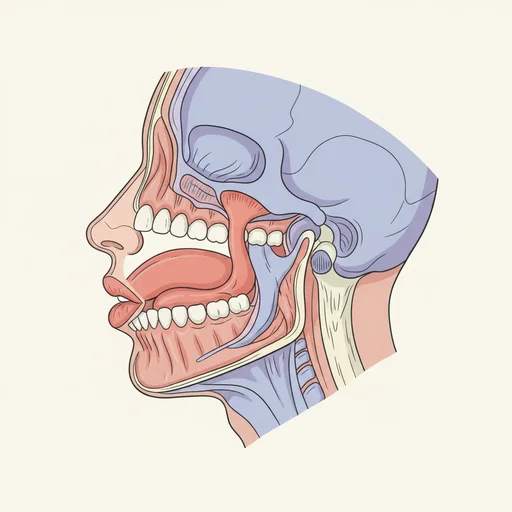
- 1Round your lips into a small, tight circle and push them slightly forward.
- 2Raise the back of your tongue high, close to the soft palate.
- 3Keep the tongue and lips firm, not relaxed.
- 4Hold it longer than /ʊ/: “poool”, not “pull”.
- Tongue
- high-back
- Lips
- rounded
- Voice
- voiced
Hear it in words
Tap a word to hear it.
At the start
/u/ rarely starts an English word.
In the middle
At the end
How it's spelled
- oo: food, moon, school
- u + consonant + e: rule, June, flute
- ew / ue: new, flew, blue, true
- o: do, who, two
- ou / ui: you, soup, fruit, juice
Common mistakes
Too short and loose: “pull” for pool
A relaxed /u/ sounds like /ʊ/. Round the lips tightly and hold the vowel.
Not rounded enough
Without lip rounding, food and true sound thin. Push the lips forward.
Adding a y after t, d or n
Americans say new, news, student and duty with plain /u/: /nu/, /ˈstudənt/. “Nyoo” sounds British.
Minimal pairs
Each pair differs by one sound. If both words sound the same when you say them, practice this pair.
Try it
“Sue flew to the blue lagoon in June.”
Record a sentence and get a score for every sound, /u/ included. Free, no account.
Questions
Do Americans say “noo” or “nyoo”?
After t, d and n, General American drops the y: new /nu/, student /ˈstudənt/, Tuesday /ˈtuzdeɪ/. After other consonants the y stays: music /ˈmjuzɪk/, cute /kjut/, few /fju/.
Is /u/ the same as French “ou” or Spanish “u”?
Close, but the American /u/ is usually a little less tense and often glides slightly. The bigger task is keeping it different from the short /ʊ/ of book.