
American English sound
/ɔr/: how to pronounce “or” in more, door and four
/ɔr/ is the sound in more, door and four: a rounded vowel followed by the American R.
It has many spellings (for, more, door, four, board, war) but one sound, and in American English the R is always there: more is never “maw”.
/ɔr/
the “or” sound
How to make the sound
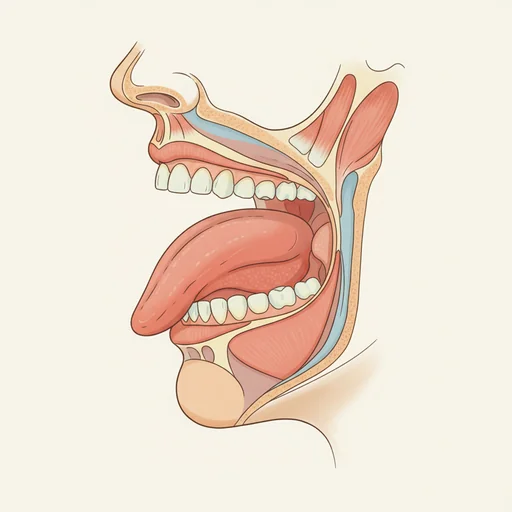
- 1Round your lips into a medium circle.
- 2Start with your tongue back, as for “law”.
- 3Move into the American R while the lips stay rounded.
- 4Keep the R to the end of the word: door, not “doh”.
- Tongue
- mid-back
- Lips
- rounded
- Voice
- voiced
Hear it in words
Tap a word to hear it.
At the start
In the middle
At the end
How it's spelled
- or / ore: for, short, more, store
- oor: door, floor
- our: four, your, course
- oar: board, roar
- ar after w: war, warm, quarter
Common mistakes
Dropping the R: “maw”
British English drops it; American English keeps the R in more, door and four.
Unrounded, like “far”
Without lip rounding, for drifts toward far and store toward star. Round the lips from the start.
Reading “war” like “car”
After w, ar is /ɔr/: war rhymes with more, warm with form.
Minimal pairs
Each pair differs by one sound. If both words sound the same when you say them, practice this pair.
Try it
“Laura bought four more boards at the store this morning.”
Record a sentence and get a score for every sound, /ɔr/ included. Free, no account.
Questions
Do horse and hoarse sound the same?
Yes, for almost all Americans today. Older speakers in some regions kept them apart, but General American has one /ɔr/ for both.
Why does “war” rhyme with “more”, not “car”?
A w before ar rounds the vowel: war, warm, ward and quarter all have /ɔr/.