
American English sound
/ɔ/: how to pronounce the “aw” in caught, law and talk
/ɔ/ is the vowel in caught, law and talk. The jaw is open, the tongue low and back, and the lips slightly rounded.
It's the most variable vowel in American English: about half of Americans (in the West, and increasingly elsewhere) pronounce it exactly like the /ɑ/ of hot, so cot and caught sound the same. Both pronunciations are standard.
/ɔ/
the “aw” vowel
How to make the sound
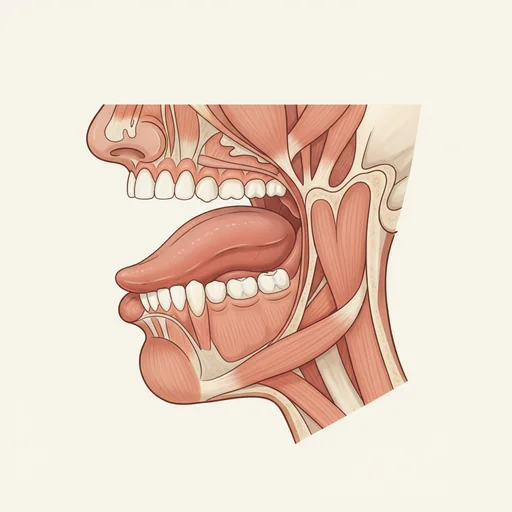
- 1Open your jaw, a little less than for “father”.
- 2Pull your tongue low and back.
- 3Round your lips slightly, as if beginning “oh”, but keep the jaw open.
- 4Hold it steady, with no glide toward “oo”.
- Tongue
- mid-back
- Lips
- rounded
- Voice
- voiced
Hear it in words
Tap a word to hear it.
At the start
In the middle
At the end
How it's spelled
- aw: law, saw, draw
- au: caught, August, author
- al / all: talk, walk, all, call
- ough: thought, bought, brought
Common mistakes
Gliding, like “low”
A closing glide turns law into low and caught into coat. Hold the vowel open and steady.
Over-rounding
A tight, high British-style “aw” sounds foreign in American English. Keep the jaw open and the rounding light.
Pronouncing the l in talk and walk
The l is silent: talk is /tɔk/, walk is /wɔk/. Calm and palm drop it for many speakers too.
Minimal pairs
Each pair differs by one sound. If both words sound the same when you say them, practice this pair.
Try it
“Paul talked to his daughter about the long walk in August.”
Record a sentence and get a score for every sound, /ɔ/ included. Free, no account.
Questions
Is it a mistake if caught sounds like cot?
No. The cot–caught merger is standard for roughly half of Americans. If you merge them, you'll sound like someone from California or Canada; if you keep them apart, like someone from New York or the Midwest.
Do talk and walk have an l?
No. Talk, walk, chalk and stalk all have a silent l. Pronouncing it is a very common learner mistake.