
American English sound
/ɑ/: how to pronounce the “o” in hot, stop and father
/ɑ/ is the open vowel in hot, stop and father. The jaw drops, the tongue lies low and back, and the lips stay unrounded, which is different from the rounded British “o” in hot.
In American English, hot and father share this vowel, and in about half of the country it's also the vowel of caught, so cot and caught sound the same.
/ɑ/
the “hot” vowel
How to make the sound
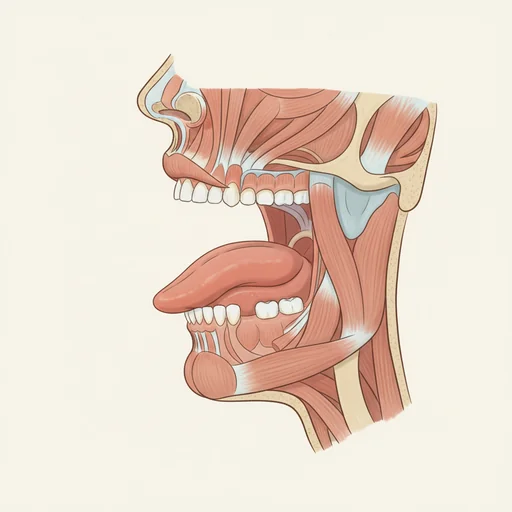
- 1Drop your jaw wide, as a doctor asks when you say “ah”.
- 2Let your tongue lie low and slightly back, the tip resting behind your lower teeth.
- 3Keep your lips relaxed and unrounded.
- 4Hold it steady: no glide toward “oh”.
- Tongue
- low-back
- Lips
- neutral
- Voice
- voiced
Hear it in words
Tap a word to hear it.
At the start
In the middle
At the end
/ɑ/ rarely ends an English word: spa and ma are among the few.
How it's spelled
- o: hot, stop, job, rock
- a after w: want, watch, swan
- a: father, spa, calm
Common mistakes
Rounding the lips
A rounded, British-style “o” in hot and stop sounds foreign in American English. Keep the lips relaxed and the jaw open.
Reading the o as “oh”
Hot is not “hoht”. The letter o in short words like hot, stop and job is /ɑ/, not the /oʊ/ of go.
Too closed, like “cup”
A half-open mouth turns cop into cup and lock into luck. Drop the jaw further.
Minimal pairs
Each pair differs by one sound. If both words sound the same when you say them, practice this pair.
Try it
“Tom got a hot pot of coffee at the shop.”
Record a sentence and get a score for every sound, /ɑ/ included. Free, no account.
Questions
Do father and bother really rhyme?
Yes, in General American they share the vowel /ɑ/. In southern British English they don't: father has a long /ɑː/ and bother a rounded /ɒ/.
Do cot and caught sound the same?
For roughly half of Americans, yes (the cot–caught merger, common in the West and Canada). Others keep caught rounder, /kɔt/. Both are standard American English.