
American English sound
/ɝ/: how to pronounce “er” in bird, work and learn
/ɝ/ is the stressed “er” sound in bird, work and learn. It's one of the most American sounds there is: the vowel and the R are a single sound, made with the tongue in the R position the whole time.
It has many spellings (er, ir, ur, or, ear) but only one sound: bird, word and heard all rhyme, and nurse has the very same vowel.
/ɝ/
the “er” vowel
How to make the sound
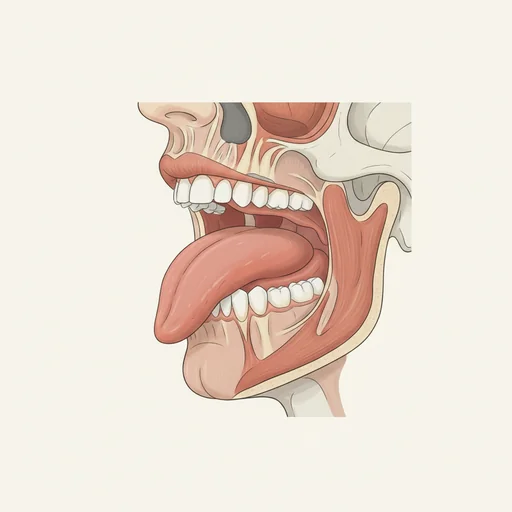
- 1Put your tongue in the American R position: tip curled back or tongue bunched up, touching nothing.
- 2Keep your lips relaxed. Many Americans round them a little, as for R, but the tongue does the work.
- 3Hold that position and turn your voice on. Don't start with a vowel and add the R later.
- 4Keep the tongue still from start to finish: the whole sound is R-colored.
- Tongue
- R position (bunched or curled)
- Lips
- neutral
- Voice
- voiced
Hear it in words
Tap a word to hear it.
At the start
In the middle
At the end
How it's spelled
- er: her, person, serve
- ir: bird, first, girl
- ur: turn, nurse, Thursday
- or after w: work, word, world
- ear: learn, earth, heard
- our: journey
Common mistakes
Dropping the R
A vowel without R (“buhd” for bird) is British or French-sounding. Keep the tongue in the R position for the whole sound.
Splitting it in two
Saying a vowel and then an R (“bee-rd”) sounds foreign. /ɝ/ is one sound: start in the R position.
Using another vowel
Work said as “walk” or heard as “hard” changes the word. Every spelling of this sound has the same R-colored vowel.
Minimal pairs
Each pair differs by one sound. If both words sound the same when you say them, practice this pair.
Try it
“Her first nurse worked early on Thursday.”
Record a sentence and get a score for every sound, /ɝ/ included. Free, no account.
Questions
What's the difference between /ɝ/ and /ɚ/?
They're the same R-colored vowel. /ɝ/ is the stressed one (bird, work); /ɚ/ is the unstressed one at the end of butter, teacher and doctor.
Do bird, word and heard really rhyme?
Yes, in American English they all have /ɝ/: /bɝd/, /wɝd/, /hɝd/. The spelling changes, the sound doesn't.