
American English sound
/ɛ/: how to pronounce the short “e” in bed, said and friend
/ɛ/ is the short vowel in bed, ten and friend. The jaw is half open and the tongue sits in the front of the mouth, between the /ɪ/ of sit and the /æ/ of cat.
It hides behind many spellings: said, head, friend, any and guess all use it. Sitting between two neighbors, it's easy to drift into bad or bayed.
/ɛ/
the short “e”
How to make the sound
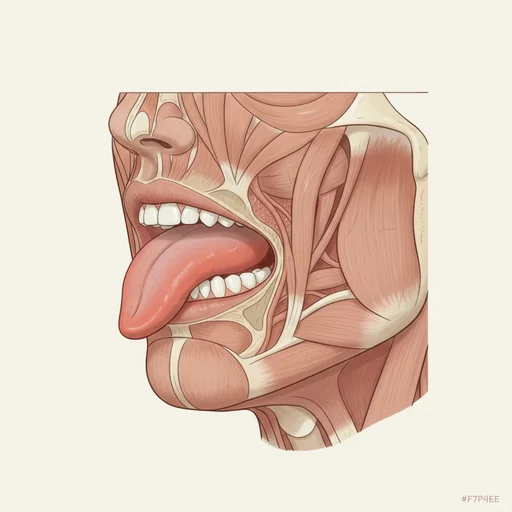
- 1Open your jaw about halfway, a little less than for “cat”.
- 2Keep the front of your tongue forward and mid-high, the tip behind your lower teeth.
- 3Relax your lips: no smile, no rounding.
- 4Keep it short and steady, with no glide toward “ee”.
- Tongue
- mid-front
- Lips
- neutral
- Voice
- voiced
Hear it in words
Tap a word to hear it.
At the start
In the middle
At the end
/ɛ/ doesn't end English words: a consonant always follows it.
How it's spelled
- e: bed, ten, every
- ea: head, bread, weather
- ai / ay: said, again, says
- ie / ue: friend, guess
- a (rare): any, many
Common mistakes
Too open, like “bad”
If the jaw drops too far, bed becomes bad and men becomes man. Open only halfway.
Gliding, like “bayed”
Sliding toward “ee” turns bet into bait and wet into wait. Hold the tongue still.
Reading the spelling
Said, says, friend, any and many all have /ɛ/, whatever the letters suggest. Learn them by ear.
Who finds /ɛ/ hard
Speakers of these languages often replace it with a sound from their own language. Linked languages have their own accent traps page.
Often say /a/ instead
Arabic
Minimal pairs
Each pair differs by one sound. If both words sound the same when you say them, practice this pair.
Try it
“Ted said his friend fed ten hens.”
Record a sentence and get a score for every sound, /ɛ/ included. Free, no account.
Questions
Do Americans say “pen” and “pin” the same way?
In much of the South, yes: before m and n, /ɛ/ and /ɪ/ merge. General American keeps them apart, so pen has /ɛ/ and pin has /ɪ/.
Why is “said” pronounced “sed”?
Said and says kept an old spelling while their vowel shortened over the centuries. They're the most common words where ai spells /ɛ/.