
American English sound
/ɪ/: how to pronounce the short i in sit, ship and live
/ɪ/ is the short, relaxed i in sit, ship and live. Its partner /i/, in seat, sheep and leave, is longer and tenser.
The difference changes meaning (ship and sheep, live and leave), and it's one of the most common sources of misunderstanding for learners whose language has only one i sound.
/ɪ/
the short i
How to make the sound
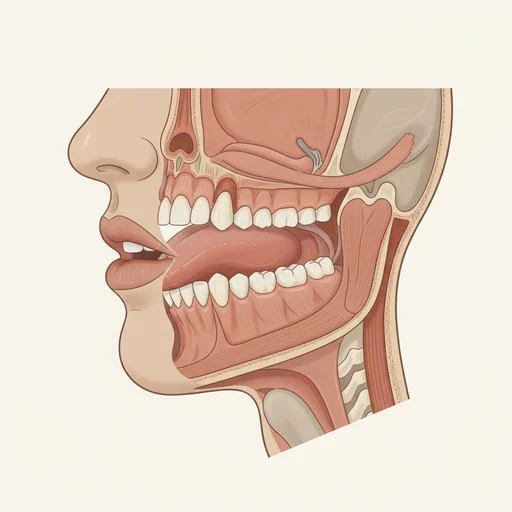
- 1Raise your tongue high and forward, but a little lower and looser than for “see”.
- 2Keep your lips relaxed: no smile, no spreading.
- 3Let your jaw drop very slightly.
- 4Keep it short. If you hold it, it slides toward /i/.
- Tongue
- high-front
- Lips
- neutral
- Voice
- voiced
Hear it in words
Tap a word to hear it.
At the start
In the middle
At the end
/ɪ/ doesn't end English words. The final sound in happy and city is the longer /i/.
How it's spelled
- i: sit, big, finish
- y: gym, myth
- e (some words): pretty, English
- ui: build, guilty
- o (rare): women
Common mistakes
Using /i/ for both: “sheep” for ship
The tongue goes too high and tense. Relax it and lower it slightly, and keep the vowel short.
Making the difference only by length
Length helps, but the quality differs too: /ɪ/ is looser and slightly lower. A long /ɪ/ still isn't /i/.
Smiling
Spreading the lips pushes the sound toward /i/. Keep the lips neutral.
Who finds /ɪ/ hard
Speakers of these languages often replace it with a sound from their own language. Linked languages have their own accent traps page.
Often say /i/ instead
Arabic, Chinese, French, Indonesian, Italian, Korean, Polish, Portuguese, Russian, Spanish, Vietnamese
Guides for your language
- sheep vs ship (collapse risk): Spanish · Portuguese · Arabic · Modern Greek (1453-)
Minimal pairs
Each pair differs by one sound. If both words sound the same when you say them, practice this pair.
Try it
“Is this big fish still in the river?”
Record a sentence and get a score for every sound, /ɪ/ included. Free, no account.
Get my free scoreQuestions
Is the difference between ship and sheep only length?
No. /i/ (sheep) is longer, but also higher and tenser; /ɪ/ (ship) is shorter, lower and more relaxed. Practicing only the length isn't enough.
Why do “happy” and “city” end with /i/, not /ɪ/?
In American English the final unstressed y in happy, city and very sounds like a short /i/. /ɪ/ is always followed by a consonant.