
American English sound
/s/: how to pronounce “s” in sun, city and bus
/s/ is the hissing sound in sun, city and bus: the tongue tip is close to the gum ridge and the air hisses through a narrow groove, with no voice.
It's spelled s, ss or c (before e, i and y). Learners mostly struggle with what's around it: adding a vowel before s + consonant (“estop”), or using /z/ or /ʃ/ in its place.
/s/
the “s” sound
How to make the sound
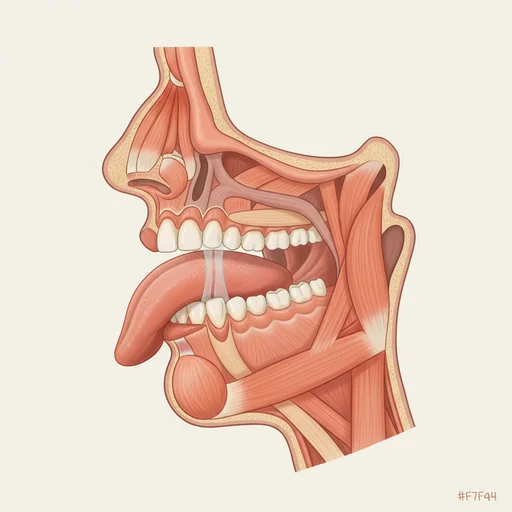
- 1Bring the tip of your tongue close to the gum ridge behind your upper teeth, without touching it.
- 2Spread your lips slightly.
- 3Push air through the narrow gap: it should hiss.
- 4Keep your voice off.
- Tongue
- tip-alveolar
- Lips
- spread
- Voice
- voiceless
Hear it in words
Tap a word to hear it.
At the start
In the middle
At the end
How it's spelled
- s / ss: sun, lesson, class
- c before e, i, y: city, face, cycle
- sc: science, scene
- x (= ks): box, six
Common mistakes
Adding a vowel: “estop”
Spanish and Portuguese speakers often add an e before s + consonant. Start directly with the hiss: s-top, s-chool.
Saying /ʃ/ before i: “she” for see
Japanese speakers may turn si into shi. Keep the lips spread and the tongue tip forward.
Adding voice: “buzz” for bus
Keep the voice off, especially at the end of words.
Who finds /s/ hard
Speakers of these languages often replace it with a sound from their own language. Linked languages have their own accent traps page.
Often drop the sound
Thai, Vietnamese
Minimal pairs
Each pair differs by one sound. If both words sound the same when you say them, practice this pair.
Try it
“Sam sees six small boats on the sea.”
Record a sentence and get a score for every sound, /s/ included. Free, no account.
Questions
Why do I add an “e” before words like stop and school?
In Spanish and Portuguese, no word starts with s + consonant, so speakers add a vowel. Practice holding the hiss first (“sss-top”), then shorten it.
When is s pronounced /z/?
Often between vowels (easy, music), in small words (is, was, has), and in plurals after voiced sounds (dogs, days). See the z guide.