
American English sound
/ʃ/: how to pronounce “sh” in she, nation and fish
/ʃ/ is the “sh” sound in she, nation and fish. The tongue is a little further back than for /s/, the lips push slightly forward, and the air rushes out with no voice.
It's spelled sh, but also ti and ci (nation, special), ch (machine, chef) and even s (sure, sugar).
/ʃ/
the “sh” sound
How to make the sound
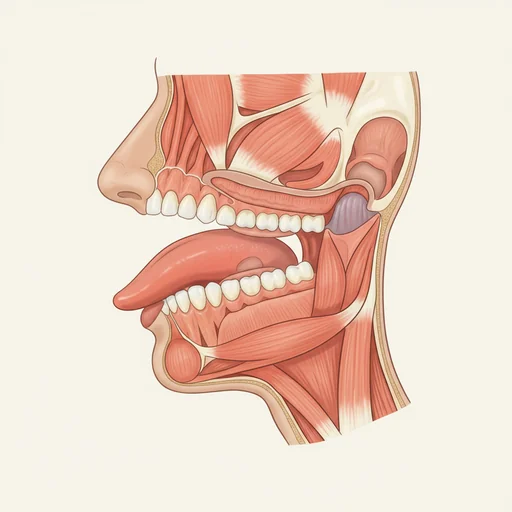
- 1Pull the tip of your tongue back a little from the /s/ position, behind the gum ridge.
- 2Round your lips and push them slightly forward.
- 3Blow air through: it should sound softer and lower than /s/.
- 4Keep your voice off, and keep the air flowing: don't stop it like the ch of chip.
- Tongue
- tip-palatal
- Lips
- rounded
- Voice
- voiceless
Hear it in words
Tap a word to hear it.
At the start
In the middle
At the end
How it's spelled
- sh: she, ship, fish
- ti / ci: nation, special, ocean
- ch (French words): machine, chef, Chicago
- s / ss: sure, sugar, mission
Common mistakes
Saying /s/: “see” for she
With the tongue too far forward and the lips spread, she becomes see. Pull the tongue back and round the lips.
Saying the ch of chip: “chop” for shop
Spanish speakers often stop the air first. Let it flow from the start.
Reading -tion as “t-ion”
Nation, station and information end in /ʃən/: “nay-shun”.
Minimal pairs
Each pair differs by one sound. If both words sound the same when you say them, practice this pair.
Try it
“She washed the dishes and shared the fresh fish.”
Record a sentence and get a score for every sound, /ʃ/ included. Free, no account.
Questions
Why is -tion pronounced “shun”?
In words like nation and station, the t blended with the following i-sound centuries ago and became /ʃ/. The spelling stayed. Special and ocean are the same story with c.
How is /ʃ/ different from /ʒ/?
Same mouth position: /ʃ/ (she) has no voice, /ʒ/ (vision) has voice.