
American English sound
/ɪr/: how to pronounce “eer” in here, near and beer
/ɪr/ is the sound in here, near and beer: a high front vowel followed by the American R.
It's one syllable, with the R always pronounced. Here is never “hee-uh”, and fear and fair must stay different.
/ɪr/
the “eer” sound
How to make the sound
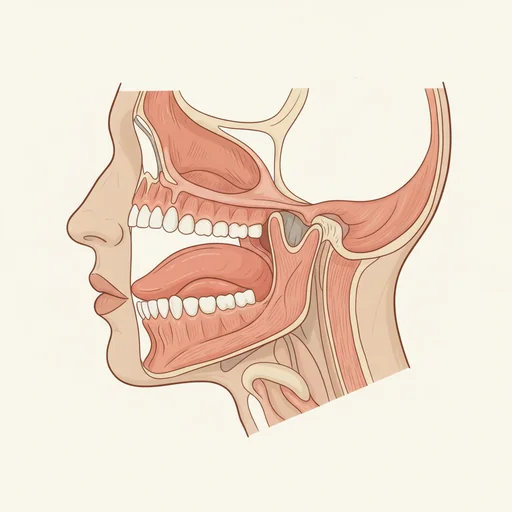
- 1Start with the tongue high and forward, between the vowels of “sit” and “see”.
- 2Move into the American R, tongue curling back or bunching up.
- 3Keep it one syllable: here, not “hee-yer”.
- 4Hold the R to the end of the word.
- Tongue
- high-front
- Lips
- neutral
- Voice
- voiced
Hear it in words
Tap a word to hear it.
At the start
In the middle
At the end
How it's spelled
- ear: near, clear, year
- eer: beer, deer, career
- ere: here, mere, sincere
- eir / ier: weird, pier
Common mistakes
Dropping the R: “hee-uh”
The British pattern. American English keeps the R in here, near and clear.
Two syllables: “hee-yer”
Here is one syllable. Go straight from the vowel into the R.
Too open, like “bear”
A lower vowel turns beer into bear and fear into fair. Keep the tongue high.
Minimal pairs
Each pair differs by one sound. If both words sound the same when you say them, practice this pair.
Try it
“It's clear the deer near here are serious about the beer.”
Record a sentence and get a score for every sound, /ɪr/ included. Free, no account.
Questions
Do here and hear sound the same?
Yes: both are /hɪr/. So are dear and deer, and peer and pier.
Why do “year” and “ear” sound different?
Year starts with the y sound /j/: /jɪr/. Ear has no y: /ɪr/. Many learners drop the y in year; keep it.