
American English sound
/i/: how to pronounce the long “ee” in see, sheep and leave
/i/ is the long, tense vowel in see, sheep and leave. Its partner /ɪ/, in sit, ship and live, is shorter and more relaxed.
Many languages have only one i sound, so learners often use the same vowel for both. Making /i/ clearly long and tense is half of fixing ship and sheep.
/i/
the long “ee”
How to make the sound
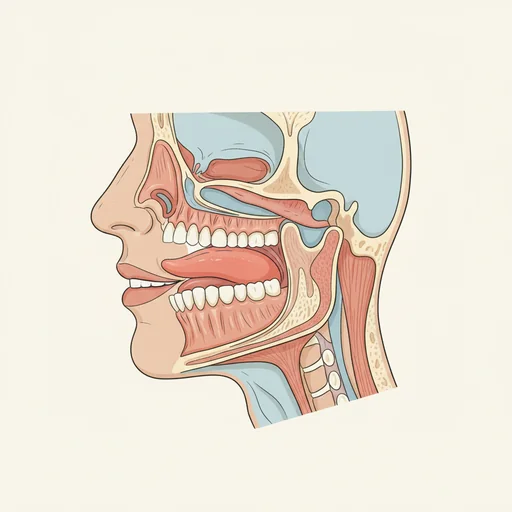
- 1Raise your tongue high and forward, close to the roof of your mouth, without touching it.
- 2Spread your lips a little, as if starting a smile.
- 3Keep the muscles of your tongue firm, not relaxed.
- 4Hold it longer than /ɪ/: “sheeep”, not “ship”.
- Tongue
- high-front
- Lips
- spread
- Voice
- voiced
Hear it in words
Tap a word to hear it.
At the start
In the middle
At the end
How it's spelled
- ee: see, feel, green
- ea: eat, leave, clean
- e: he, me, even
- ie / ei: piece, field, receive
- y at the end: happy, city, very
- i (some words): machine, pizza
Common mistakes
Too short: “ship” for sheep
A clipped vowel sounds like /ɪ/. Hold /i/ longer, especially before b, d, g, v and z, as in leave and seed.
Too relaxed
If the tongue and lips relax, seat drifts toward sit. Keep the tongue high and firm and the lips slightly spread.
Using it everywhere
Saying /i/ in sit, live and big makes them sound like seat, leave and beag. Those words need the short /ɪ/.
Minimal pairs
Each pair differs by one sound. If both words sound the same when you say them, practice this pair.
Try it
“Please leave the green tea on the seat.”
Record a sentence and get a score for every sound, /i/ included. Free, no account.
Questions
Is /i/ just a longer /ɪ/?
No. It's longer, but also higher and tenser, with the lips slightly spread. A long /ɪ/ still sounds like /ɪ/, so practice the mouth position, not only the length.
Why does “people” have /i/ but “pretty” has /ɪ/?
English spelling doesn't show it: the e in people is /i/, and the e in pretty is /ɪ/. Learn these words by ear, with the example words above.