
American English sound
/ɚ/: the unstressed “er” in butter, teacher and doctor
/ɚ/ is the short, unstressed “er” at the end of butter, teacher and doctor. It's a schwa with the American R built in: one quick, R-colored sound.
It ends thousands of words (-er, -or, -ar), and Americans always pronounce the R. Dropping it, as in “butta”, is the clearest sign of a British or non-native accent.
/ɚ/
the unstressed “er”
How to make the sound
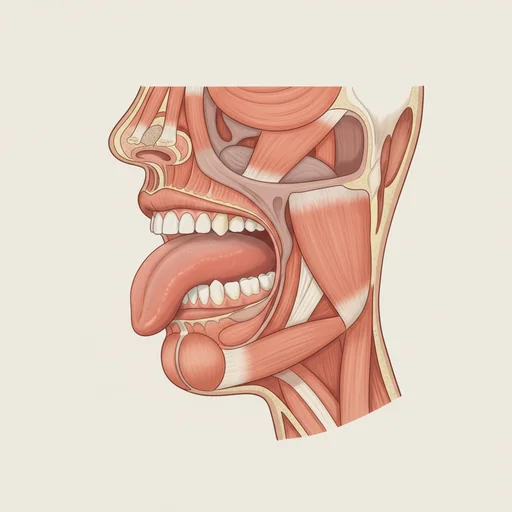
- 1Put your tongue in the American R position, but relaxed: tip curled back or bunched, touching nothing.
- 2Keep it short and weak: this syllable is never stressed.
- 3Don't add a vowel before the R. It's one sound, not “uh” + R.
- 4Keep the R color to the very end of the word.
- Tongue
- R position, relaxed
- Lips
- neutral
- Voice
- voiced
Hear it in words
Tap a word to hear it.
At the start
/ɚ/ is always unstressed, so it almost never starts a word.
In the middle
At the end
How it's spelled
- er: teacher, water, under
- or: doctor, color, actor
- ar: dollar, sugar, calendar
- ure: picture, culture
- ur: Saturday, surprise
Common mistakes
Dropping the R: “butta”
That's the British pattern. In American English the R stays in teacher, doctor and dollar.
A full vowel: “doc-TOR”
Saying the spelling stresses the ending. Doctor is DOC-tər, with a weak, R-colored second syllable.
Vowel plus R
“Teach-uh-r” adds a vowel before the R. Go straight into the R-colored sound.
Try it
“My teacher and her daughter ordered butter and sugar.”
Record a sentence and get a score for every sound, /ɚ/ included. Free, no account.
Questions
What's the difference between /ɚ/ and /ɝ/?
The same R-colored vowel: /ɝ/ is stressed (bird, work, her), /ɚ/ is unstressed (butter, doctor). Her teacher has both: /hɝ ˈtitʃɚ/.
Is the t in “butter” really a d?
Almost. Between vowels, Americans turn t into a quick tap, close to a fast d: butter, water and better. Dictionaries still write /t/, but the tap is what you hear.