
American English sound
/ŋ/: how to pronounce “ng” in sing, thing and long
/ŋ/ is the single sound at the end of sing, thing and long. The back of the tongue closes against the soft palate and the air goes out through your nose.
It's spelled with two letters but it's one sound. In most words there is no /ɡ/ after it: sing is /sɪŋ/, not “sin-g”.
/ŋ/
the “ng” sound
How to make the sound
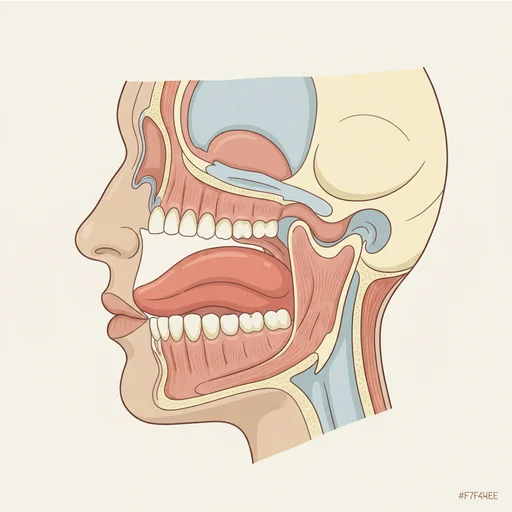
- 1Raise the back of your tongue against the soft palate, as if about to say “k” or “g”.
- 2Keep the tip of your tongue down, behind your lower teeth.
- 3Let your voice hum out through your nose.
- 4Release gently at the end, without popping a /ɡ/.
- Tongue
- back-velar
- Lips
- neutral
- Voice
- voiced
Hear it in words
Tap a word to hear it.
At the start
/ŋ/ never starts an English word.
In the middle
At the end
How it's spelled
- ng: sing, long, thing
- n before k: think, bank, uncle
- n before g: finger, English, angry
Common mistakes
Adding a /ɡ/: “sing-g”
Popping a g at the end sounds foreign. Hold the hum and let it fade.
Saying /n/: “sin” for sing
If the tongue tip goes up to the ridge, sing becomes sin. Keep the tip down and use the back of the tongue.
Adding a /k/: “thingk”
Thing has no k; think does. Compare thing and think in the examples.
Who finds /ŋ/ hard
Speakers of these languages often replace it with a sound from their own language. Linked languages have their own accent traps page.
Often say /n/ instead
Arabic, Russian, Spanish, Turkish
Minimal pairs
Each pair differs by one sound. If both words sound the same when you say them, practice this pair.
Try it
“The king is singing a long song in English.”
Record a sentence and get a score for every sound, /ŋ/ included. Free, no account.
Questions
Why does “finger” have a g sound but “singer” doesn't?
Singer is sing + er, so it keeps the /ŋ/ of sing with no g: /ˈsɪŋɚ/. Finger isn't built from another word, so it has /ŋɡ/: /ˈfɪŋɡɚ/. Longer and stronger also have the /ɡ/.
Is “-ing” pronounced “in” in American English?
In casual speech many Americans say “goin’” and “doin’”, with /n/. In careful or formal speech, -ing ends with /ŋ/, and that is the safer version to practice.