
American English sound
The American L: how to pronounce “l”, including the dark L
The American L has two shapes. At the start of a word, as in leave and light, the tongue tip touches the gum ridge and the sound is clear. At the end of a word or before a consonant, as in feel, school and milk, the back of the tongue also rises, giving the deep, hollow “dark L”.
American English uses a darker L than many languages, even at the start of words. A clear, light L at the end of feel or school is one of the small things that makes an accent stand out.
/l/
the American L
How to make the sound
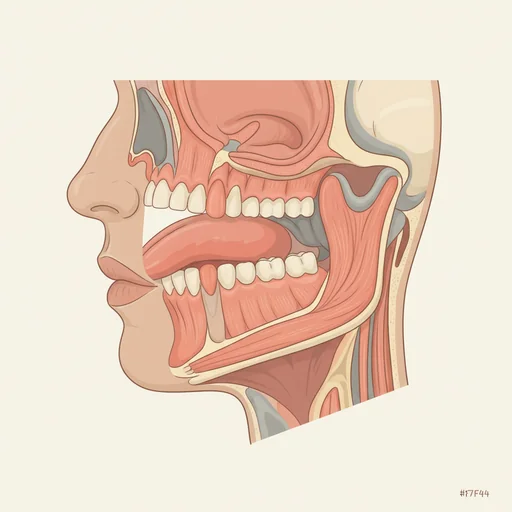
- 1Touch the tip of your tongue to the gum ridge just behind your upper front teeth.
- 2Let the air and your voice flow out around the sides of your tongue.
- 3For the dark L at the end of a word, keep the tip there and also raise the back of your tongue toward the soft palate.
- 4Don't let the L turn into a vowel: in school and feel, the tongue tip should still touch the ridge.
- Tongue
- tip-alveolar
- Lips
- neutral
- Voice
- voiced
Hear it in words
Tap a word to hear it.
At the start
In the middle
At the end
How it's spelled
- l: light, only, feel
- ll: yellow, full, tell
- le at the end: people, table, little
Common mistakes
Dropping the final L
School becomes “schoo” and feel becomes “fee-oo”. Keep the tongue tip on the ridge at the end of the word.
Mixing up L and R
If light and right sound the same, check the tongue tip: it touches the ridge for L, and touches nothing for R.
A light L at the end
A thin, bright L in feel or tell sounds foreign. Raise the back of the tongue to darken it.
Adding a vowel after it
Feel-uh, school-uh. End the word on the L itself.
Who finds /l/ hard
Speakers of these languages often replace it with a sound from their own language. Linked languages have their own accent traps page.
Often say /ɹ/ instead
Japanese
Minimal pairs
Each pair differs by one sound. If both words sound the same when you say them, practice this pair.
Try it
“Lily left a little yellow ball in the hall.”
Record a sentence and get a score for every sound, /l/ included. Free, no account.
Questions
What is the dark L?
It's the L you hear at the end of feel, full and school, and before consonants as in milk. The tongue tip still touches the ridge, but the back of the tongue rises too, which gives it a deeper, hollow sound.
Do Americans really use a dark L at the start of words?
Somewhat. American L is darker than the L of French, Spanish or German in every position, and darkest at the end of words. If your L sounds bright and thin, darkening it slightly will sound more American.