
American English sound
/f/: how to pronounce “f” in fan, coffee and enough
/f/ is made by resting the upper teeth on the lower lip and blowing air through, with no voice. It's the voiceless partner of /v/.
Its spellings surprise learners: ph in phone and photo, gh in enough and tough. And in a few languages, f is replaced by /p/ (fan becomes pan).
/f/
the “f” sound
How to make the sound
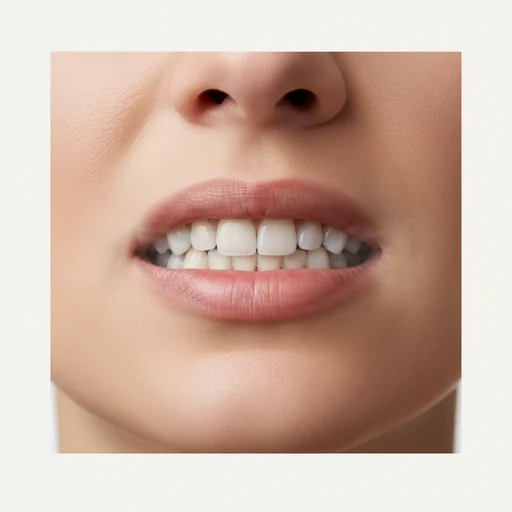
- 1Rest your upper front teeth gently on your lower lip.
- 2Blow air through the gap.
- 3Keep your voice off: no buzz.
- 4Don't let the lips close, or it becomes a /p/.
- Tongue
- tip-down
- Lips
- neutral
- Voice
- voiceless
Hear it in words
Tap a word to hear it.
At the start
In the middle
At the end
How it's spelled
- f / ff: fan, coffee, off
- ph: phone, photo, alphabet
- gh: enough, tough, cough
Common mistakes
Using /p/: “pan” for fan
Korean, Tagalog and some other speakers close the lips. Keep a gap so the air flows.
Adding voice: “van” for fan
With voice on, f becomes v. Whisper the f.
Pronouncing gh as g
Enough, tough and cough end in /f/; through and though have no f at all.
Who finds /f/ hard
Speakers of these languages often replace it with a sound from their own language. Linked languages have their own accent traps page.
Often say /ɸ/ instead
Japanese
Often say /p/ instead
Korean
Minimal pairs
Each pair differs by one sound. If both words sound the same when you say them, practice this pair.
Try it
“Five friends have coffee before every flight.”
Record a sentence and get a score for every sound, /f/ included. Free, no account.
Questions
Why is gh pronounced f in enough but silent in though?
gh once spelled a throat sound that English lost. In some words it turned into /f/ (enough, laugh, cough); in others it disappeared (though, night, daughter).
Is “of” pronounced with an f?
No: of is /əv/, with a v. Off, with two f's, is /ɔf/.